Mining Technology

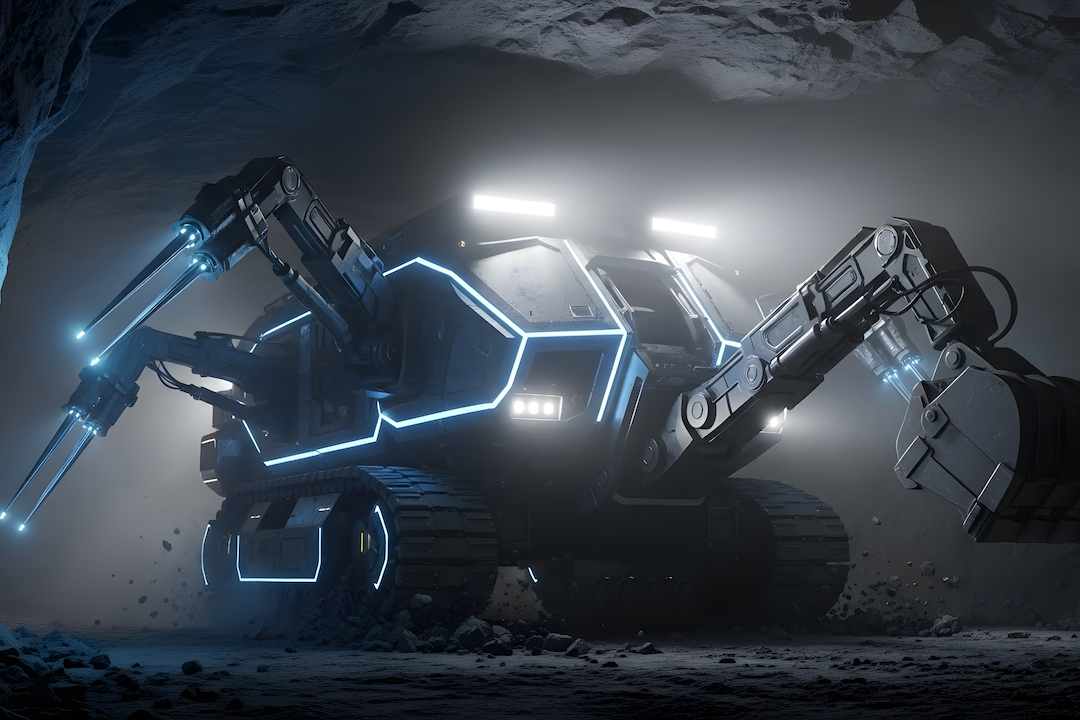
Caterpillar and FieldAI Advance AI-Powered Jobsite Tech
Highlights Caterpillar Inc. (NYSE: CAT), the world’s largest manufacturer of construction and mining equipment, reported on September 2, 2026 that it is collaborating with FieldAI, an AI robotics company, to advance what the companies call physical AI, autonomy, and robotics across jobsites and manufacturing facilities. The stated goal is to help operations run more safely…
What is Mine Reclamation and Closure Planning?
Every mine, no matter how large or profitable, eventually stops producing — and what happens to the site afterward is one of the most heavily regulated, financially significant, and easily overlooked aspects of the entire mining lifecycle. Reclamation and closure planning, backed by mandatory financial assurance, exists specifically to make sure a mine’s environmental legacy…
What is Autonomous Haulage and Which Companies Use It?
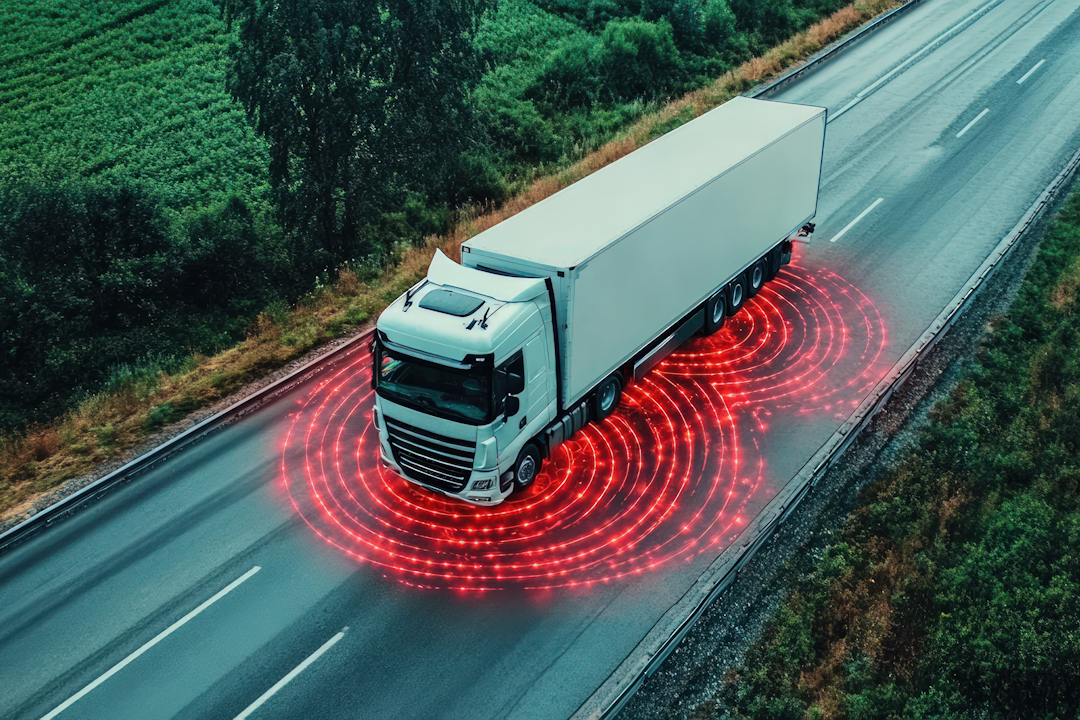
Autonomous haulage is arguably the most visible and impactful application of automation technology in modern mining — sophisticated haul trucks that move ore and waste rock across a mine site continuously, without a human driver behind the wheel. What began as a niche experiment at a single Australian iron ore mine in 2008 has scaled…
What is Flotation Processing in Mining?
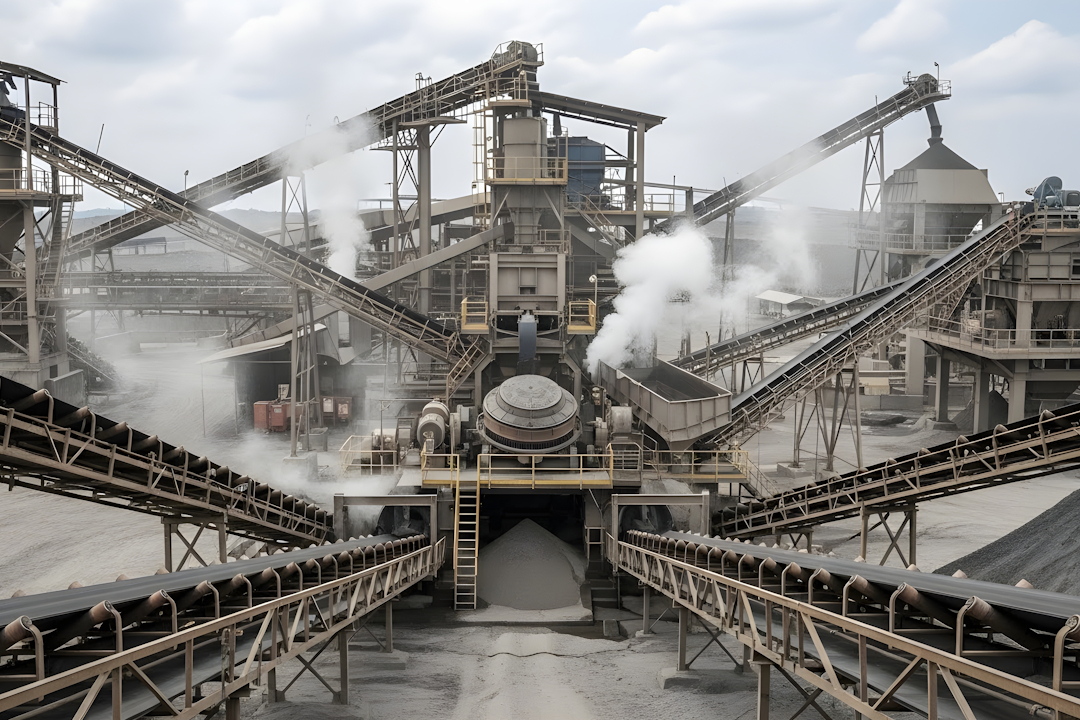
Froth flotation is one of the most important and widely used technologies in the entire mining industry, and it is the primary reason modern copper, zinc, lead, and molybdenum mining is economically viable at all. Introduced more than a century ago and continuously refined ever since, flotation is the method that allows companies to profitably…
What is a Feasibility Study in Mining?
Before any company breaks ground on a new mine, it must pass through a sequence of increasingly detailed and expensive economic studies designed to answer one fundamental question: will this project actually make money? These studies — the Preliminary Economic Assessment (PEA), the Pre-Feasibility Study (PFS), and the Feasibility Study (FS) — appear constantly in…
What is Heap Leaching? Gold and Copper Extraction Explained
Heap leaching is one of the most widely used, lowest-cost methods of extracting valuable metals from ore anywhere in the mining industry — and it appears constantly in company press releases and technical reports, particularly for gold and copper projects. Understanding how it works, and why companies choose it over other processing methods, gives investors…
How Does Open Pit Mining Work? The Process Explained
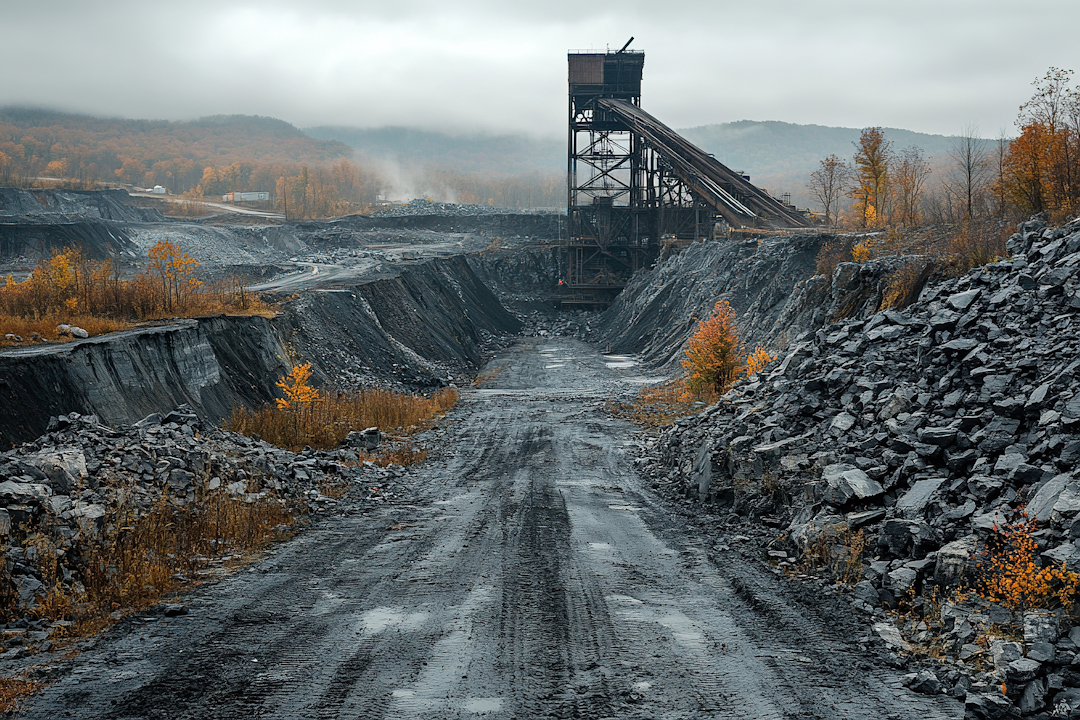
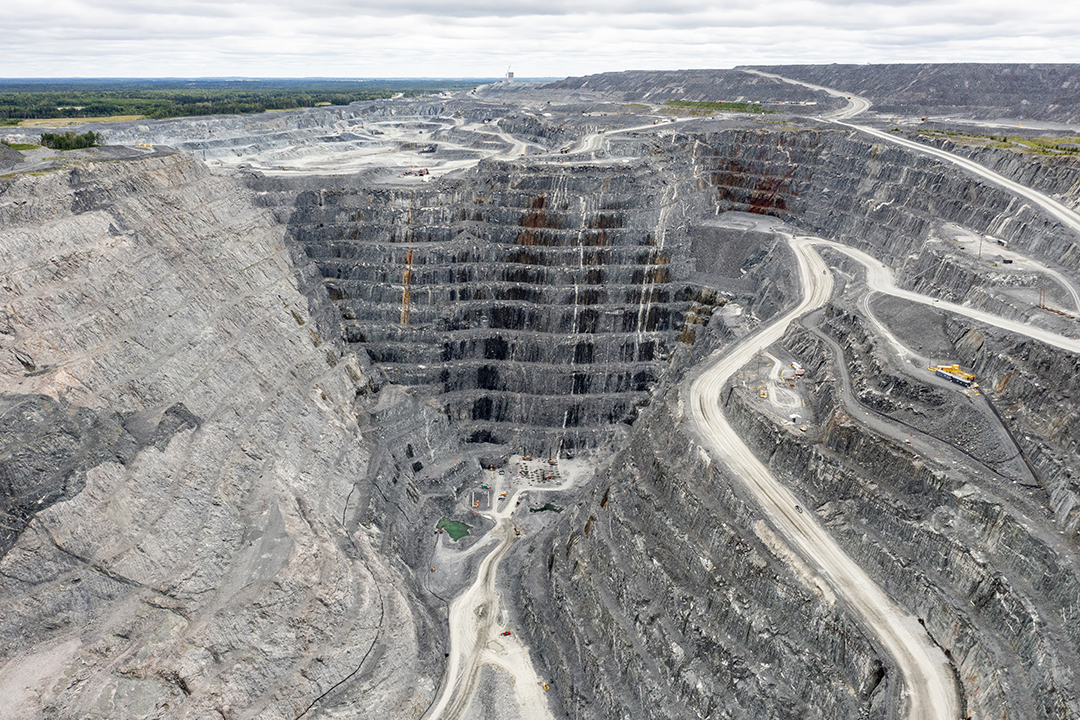
Open pit mining is the most widely used method of extracting minerals on the planet, responsible for the majority of the world’s copper, iron ore, and a significant share of its gold production. Anyone who has seen a satellite photo of a mine — concentric rings stepping down into the earth like an amphitheater —…
Alaska Mining Regulations — Opportunity, Permitting, and What Investors Need to Know
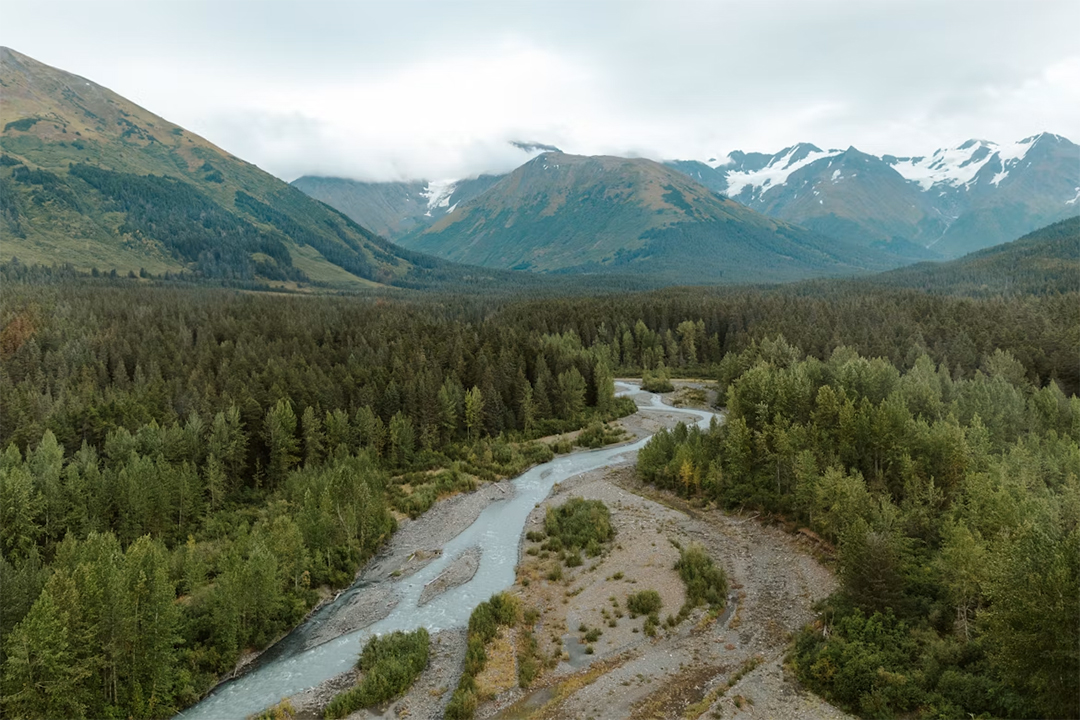
Alaska is one of the world’s great frontier mining jurisdictions. The largest US state by area — at more than 586,000 square miles, roughly one-fifth the size of the contiguous United States — Alaska hosts extraordinary deposits of gold, copper, zinc, cobalt, nickel, rare earths, and a wide range of critical minerals that have attracted…
Nevada Mining Regulations — What Investors Need to Know
Nevada is the most important mining state in the United States and one of the most significant mining jurisdictions in the world. The Silver State — its nickname refers to historic silver discoveries, though it is gold that drives the modern industry — is the number one gold-producing state in the US and regularly ranks…
Mining on Indigenous Land in Canada — Duty to Consult and FPIC Explained
For any mining company operating in Canada, the relationship with Indigenous peoples — First Nations, Métis, and Inuit communities — is not a matter of corporate social responsibility alone. It is a legal obligation rooted in the Canadian Constitution and shaped by decades of Supreme Court decisions. Getting it wrong does not just create reputational…