Heap leaching is one of the most widely used, lowest-cost methods of extracting valuable metals from ore anywhere in the mining industry — and it appears constantly in company press releases and technical reports, particularly for gold and copper projects. Understanding how it works, and why companies choose it over other processing methods, gives investors important context for evaluating a project’s economics.
The Short Answer
Heap leaching is a low-cost method of extracting metal from ore by stacking crushed ore into large piles (heaps) on an impermeable pad, then spraying a chemical solution over the top that dissolves the target metal as it percolates through the pile. The metal-bearing solution is collected at the bottom and processed to recover the metal.
Why Heap Leaching Is Used
Heap leaching is fundamentally a lower-cost alternative to conventional milling and flotation or smelting. It generally provides lower metal recovery rates than those more capital-intensive methods, which is why it is typically reserved for lower-grade ore — where the value per tonne of rock doesn’t justify the cost of a full processing plant, but where enough metal is still present to make the low-cost heap leach approach economically worthwhile.
This makes heap leaching a natural fit for early-stage or Phase 1 mine development — as covered in our explainer on Silvercorp’s Tulkubash project, oxide ore (found closer to the surface) is typically processed via heap leaching because it requires less capital and can bring a project into production faster than the more complex processing required for deeper sulfide ore.
How the Process Works, Step by Step
- Ore preparation — mined ore is crushed to a smaller, more uniform size, and sometimes “agglomerated” (bound together with a binding agent) to improve how evenly the leaching solution percolates through the pile
- Pad construction — an impermeable pad is built, typically consisting of a compacted clay base layer with a plastic liner on top, sloped toward a collection point so that solution flowing through the heap doesn’t seep into the surrounding ground or groundwater
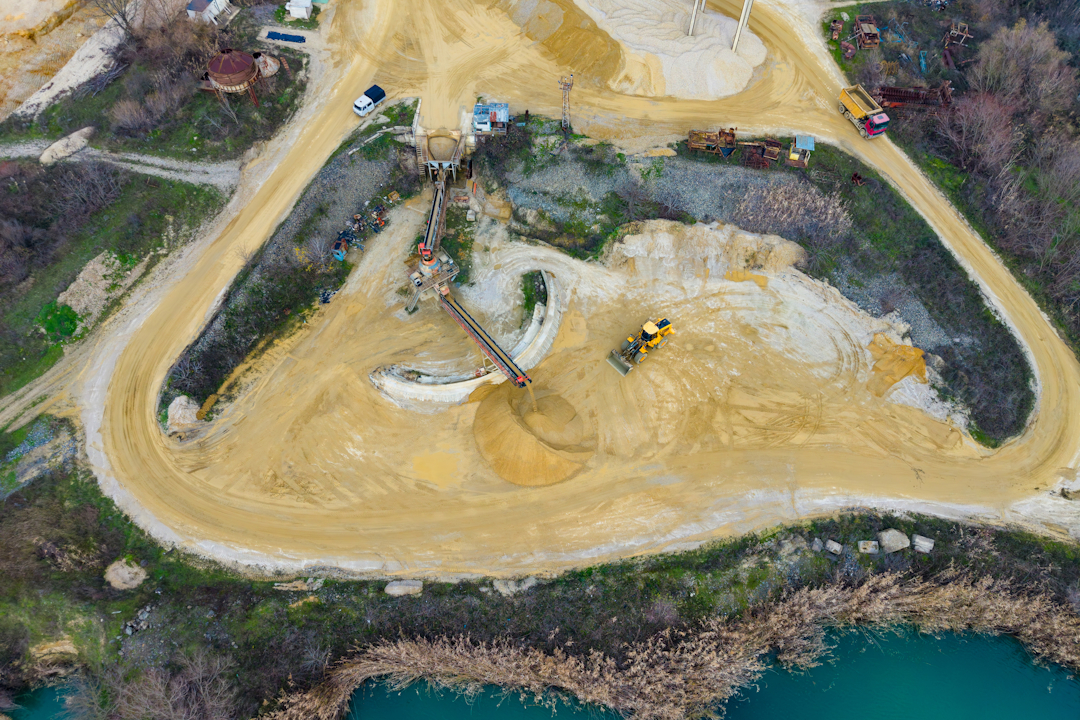
- Stacking the heap — crushed ore is stacked onto the pad in a large pile, sometimes hundreds of yards long and wide, using trucks or conveyor systems
- Irrigation with leaching solution — a chemical solution (called a lixiviant) is sprayed, trickled, or piped over the top of the heap and allowed to percolate slowly downward through the ore, dissolving the target metal as it passes through
- Collection of pregnant leach solution — the metal-bearing solution, called pregnant leach solution (PLS), is collected at the bottom of the pad via a drainage and piping system and pumped to a recovery plant
- Metal recovery — the specific recovery method depends on the metal being extracted
Two Very Different Chemistries: Gold vs. Copper
The chemical solution used, and the recovery method that follows, differ substantially depending on which metal is being targeted:
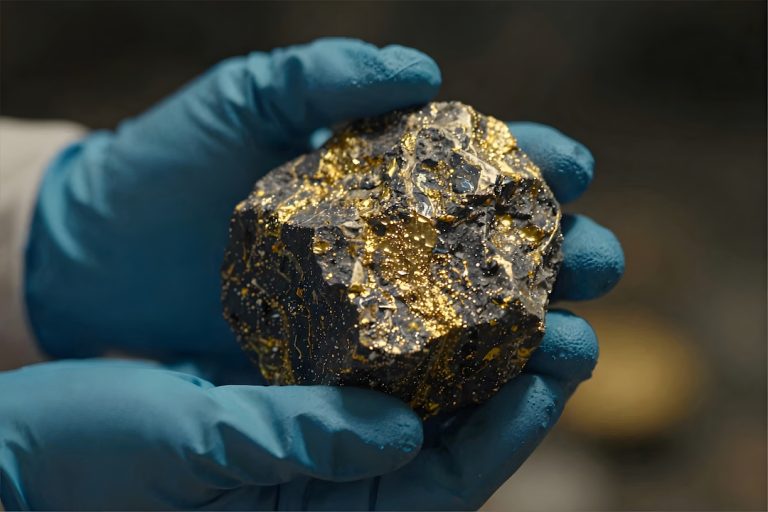
- Gold and silver heap leaching — uses a dilute alkaline cyanide solution. The technique was developed by the US Bureau of Mines in 1969 and adopted industry-wide by gold producers in the 1970s, quickly becoming the dominant technology for processing low-grade gold ore. The gold-bearing solution is typically passed through columns of activated carbon, which adsorbs the dissolved gold (a process called carbon-in-column or similar to the carbon-in-leach method used in milling). The gold is then stripped from the carbon and recovered through electrowinning — an electrochemical process that deposits pure metal onto a cathode.
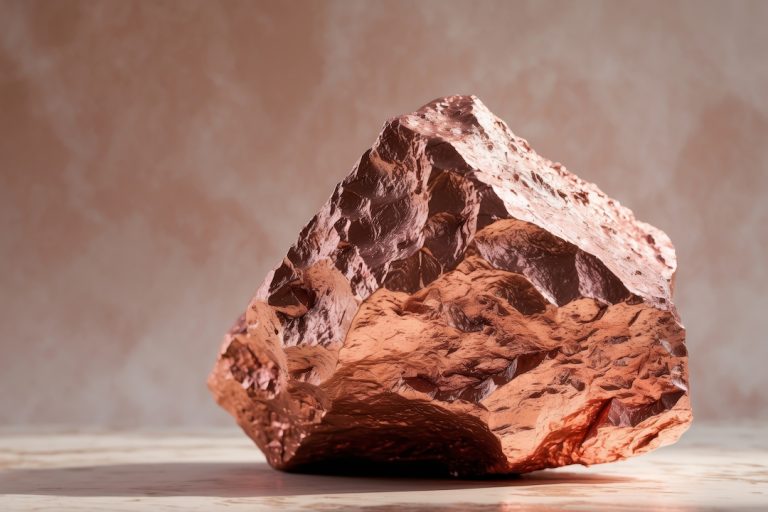
- Copper heap leaching — uses a weak sulfuric acid solution rather than cyanide. The copper-bearing solution undergoes a two-stage recovery process known as SX-EW: solvent extraction (SX), which selectively separates copper from the leach solution using an organic solvent, followed by electrowinning (EW), which deposits pure copper metal onto cathodes using an electrical current. SX-EW copper heap leaching is a well-established, lower-cost alternative to smelting copper concentrate and is widely used across major copper-producing regions including Chile and Arizona.
How Long Does Heap Leaching Take?
Unlike milling and flotation, which can process ore in hours, heap leaching is a slow process by comparison. A single leaching cycle can take anywhere from several weeks to several months for gold, and dump leaching of lower-grade copper waste material can sometimes take several years to reach an economically meaningful recovery. This slower timeline is one of the tradeoffs for heap leaching’s significantly lower capital and operating costs relative to conventional milling.
Environmental Considerations
Because gold heap leaching relies on cyanide, and copper heap leaching relies on sulfuric acid, environmental management is a central part of any heap leach operation’s design and regulatory approval. Modern leach pads are engineered with impermeable liners specifically to prevent leaching solutions from contaminating groundwater. After leaching is complete, heaps still contain residual chemicals that must be managed — for cyanide operations, this typically involves natural degradation processes combined with fresh-water rinsing, which can reduce residual cyanide concentrations by 50-90% and, over a period of several years, bring contamination levels down to acceptable regulatory thresholds.
What Investors Should Look For
When a company describes a project as heap leach amenable, this is generally a positive signal for near-term project economics — it typically means lower upfront capital costs and a faster, less complex path to first production compared to a project requiring a conventional mill. However, investors should also check whether metallurgical testwork has confirmed strong recovery rates specifically via heap leaching, since not every ore type responds well to this method — factors like clay content, ore permeability, and mineral form can significantly affect how much metal is actually recoverable.
Key Takeaways for Investors
- Heap leaching is a low-cost method of extracting metal from ore by percolating a chemical solution through a large stacked pile on an impermeable pad
- It generally provides lower recovery than conventional milling but at significantly lower capital and operating cost — making it well suited to lower-grade or oxide ore
- Gold and silver use cyanide solutions with carbon adsorption and electrowinning recovery; copper uses sulfuric acid with SX-EW (solvent extraction/electrowinning) recovery
- The process is slow — weeks to months for gold, sometimes years for lower-grade copper dump leaching
- Environmental management, particularly of cyanide and acid residuals, is a central regulatory and engineering consideration
- A project described as heap leach amenable generally signals lower capital costs and a faster path to production — but confirm metallurgical testwork supports strong recovery
SOURCES
1. ScienceDirect Topics — Heap Leaching: https://www.sciencedirect.com/topics/materials-science/heap-leaching
2. Science.gov — Copper Heap Leaching: https://www.science.gov/topicpages/c/copper+heap+leaching.html
3. 911 Metallurgist — Cyanide Destruction in Gold Heap Leach: https://www.911metallurgist.com/blog/cyanide-destruction-leach-heaps/
DISCLAIMER
This article is an educational explainer based on publicly available industry data, market research, and published analyst commentary. Information was current as of the publication date noted below. Commodity price data and forecasts are sourced as cited and reflect market conditions at the time of writing.
Mining Markets Report has not received compensation from any company, institution, or organization in connection with this article.
Institutional price forecasts and analyst commentary referenced in this article represent third-party opinions at the time of publication and are not guarantees of future commodity performance.
The information provided is for informational and educational purposes only and does not constitute financial, investment, or professional advice. Readers are encouraged to conduct their own due diligence and consult a qualified financial advisor before making any investment decision.
For full terms, see our Disclaimer.