Froth flotation is one of the most important and widely used technologies in the entire mining industry, and it is the primary reason modern copper, zinc, lead, and molybdenum mining is economically viable at all. Introduced more than a century ago and continuously refined ever since, flotation is the method that allows companies to profitably extract metal from ore containing as little as 0.5% to 1% of the target mineral by mass. Here is how it actually works.
The Short Answer
Froth flotation is a physical-chemical process that separates valuable sulfide minerals — such as copper, zinc, and lead minerals — from waste rock (gangue) by exploiting differences in how their surfaces interact with water. Valuable minerals are chemically treated to repel water and attach to air bubbles, floating to the surface as a froth that is then skimmed off as concentrate.
Why Flotation Was Necessary
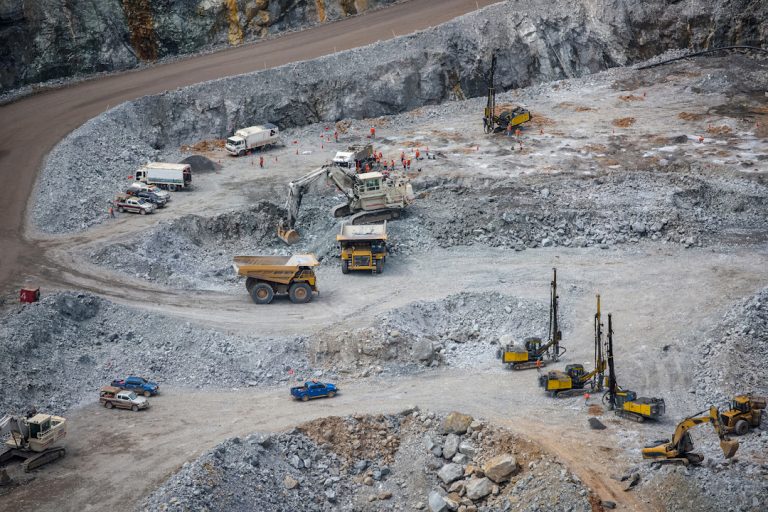
According to the Copper Development Association, the vast majority of copper deposits mined today contain the metal in finely disseminated particles that aggregate to anywhere from about 2% down to 0.8% or less of the total rock mass — meaning that to obtain a usable quantity of metallic copper, up to 99% of the material mined must ultimately be removed as waste. Before flotation was developed and industrialized in the early 20th century, processing such low-grade ore profitably was simply not possible at large scale. Flotation made it practicable, but even so it requires enormous processing plants, continuous operation, and immense capital investment to work economically.
The Core Scientific Principle
Flotation depends on a simple physical property: different minerals have surfaces that differ in how easily they can be “wetted” by water. Some mineral surfaces are naturally hydrophobic (water-repelling) or can be chemically made hydrophobic, while the surrounding waste rock (gangue) remains hydrophilic (water-attracting). Flotation exploits this difference to physically separate the two.
How the Process Works, Step by Step
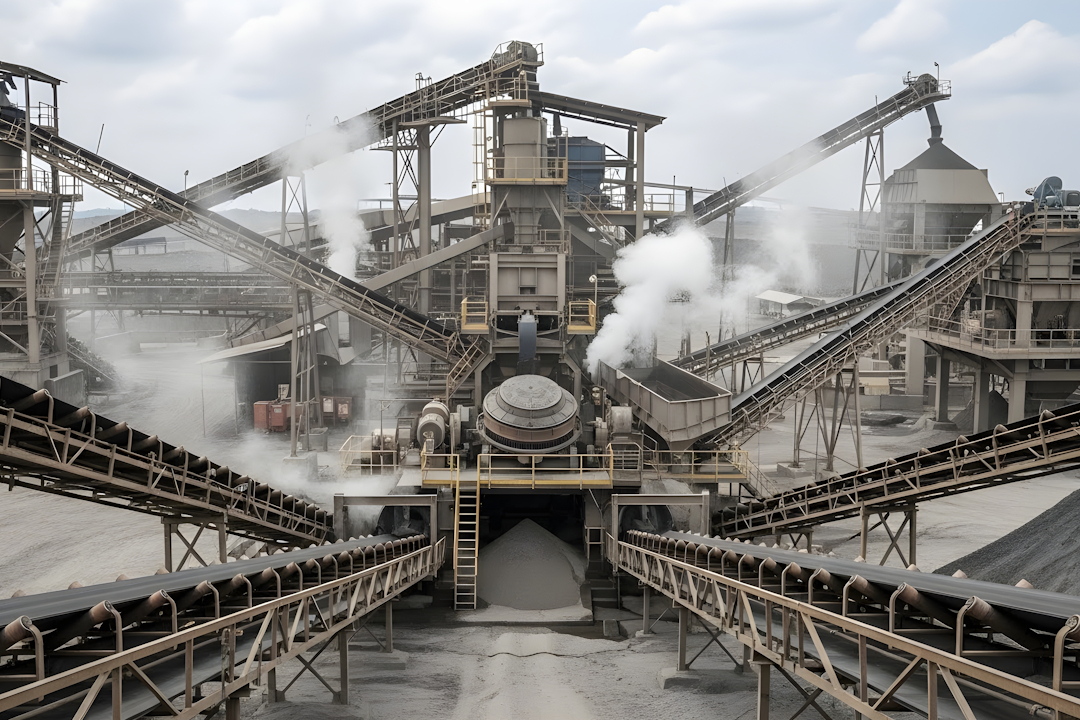
- Grinding — mined ore is crushed and ground into a fine powder, typically to less than 200 microns, small enough to physically liberate the individual mineral grains from the surrounding waste rock
- Slurry formation — the finely ground ore is mixed with water to create a slurry, which is fed into a series of tanks called flotation cells
- Addition of reagents — chemical reagents are added to the slurry in a carefully controlled sequence. Collectors (commonly xanthates) attach selectively to the target mineral’s surface, making it hydrophobic. Frothers help form and stabilize a durable froth layer at the surface of the cell. Modifiers control pH and other chemical conditions to enhance selectivity — ensuring collectors attach to the target mineral and not to waste rock
- Air injection — air is bubbled or sparged through the slurry. The chemically treated, hydrophobic target mineral particles attach themselves to the rising air bubbles and float upward, while the hydrophilic waste rock particles remain wetted and sink to the bottom of the cell
- Froth collection — a stable froth layer containing the valuable mineral particles accumulates at the surface of the flotation cell and is physically skimmed off, while the waste material (tailings) is drawn off separately from the bottom
- Cleaner flotation stages — the initial “rougher” concentrate collected from the first pass is typically reground to a finer particle size and then passed through one or more additional “cleaner” flotation stages, which further upgrade the concentrate’s metal content while minimizing loss of valuable material
What Flotation Produces
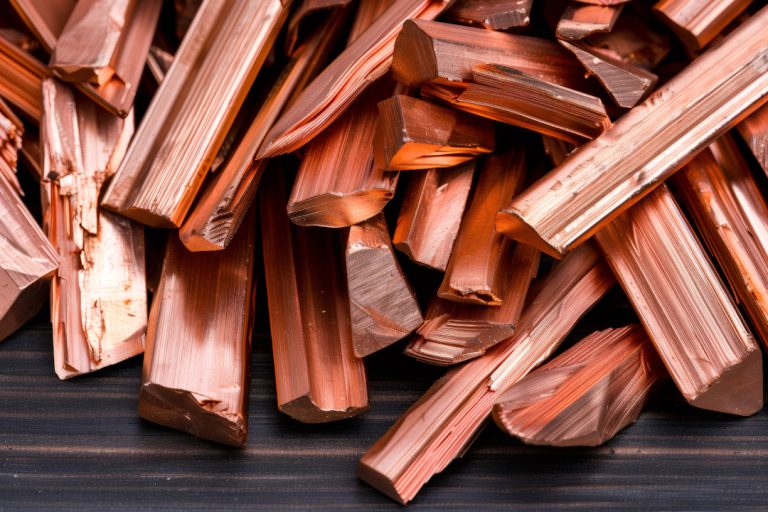
The end product of the flotation process is a concentrate — a much smaller volume of material with a dramatically higher metal content than the original ore, typically in the range of 20-30% copper for a copper concentrate, compared to the 0.5-2% grade of the ore that entered the process. This concentrate is then sent for further processing — typically smelting and refining — to produce the pure metal. Flotation is also the primary method used to separate valuable minerals in zinc, lead, molybdenum, phosphate, and potash ores, in addition to copper, as covered in our explainer on zinc.
A Notable Byproduct: Molybdenum Recovery
A significant portion of the world’s molybdenum supply is recovered as a byproduct of copper flotation. Copper mining operations frequently produce a combined concentrate containing both copper and molybdenite (a molybdenum sulfide mineral), which is then separated through an additional, differential flotation stage — using specific chemical “depressants” to selectively suppress the copper minerals’ hydrophobic behavior while allowing the molybdenite to continue floating. This is why molybdenum production is often closely tied to copper mining activity rather than existing as a fully independent commodity.
Modern Innovations
Flotation technology continues to evolve more than a century after its introduction. According to Farmonaut, current innovation areas include AI-driven real-time process control that continuously adjusts reagent dosing and flotation cell conditions to optimize recovery, greener reagent chemistry aimed at reducing the environmental footprint of the chemicals used, and improved tailings management systems designed to reduce waste volumes and environmental impact — all aimed at improving the overall efficiency, recovery rate, and sustainability of an already century-old but continuously improving technology.
Key Takeaways for Investors
- Froth flotation is the primary method used to separate copper, zinc, lead, and molybdenum minerals from waste rock at the vast majority of modern base metals mines
- The process exploits differences in how mineral surfaces interact with water — treated target minerals become hydrophobic and float, waste rock remains hydrophilic and sinks
- Flotation makes it economically viable to process ore containing less than 1% of the target metal by mass — a critical enabler of modern low-grade copper mining
- The end product is a concentrate with dramatically higher metal content than the original ore, which is then sent for smelting and refining
- Molybdenum is frequently recovered as a byproduct of copper flotation through an additional differential flotation stage
- Ongoing innovation in AI-driven process control and reagent chemistry continues to improve flotation recovery rates and environmental performance
SOURCES
1. Copper Development Association — 60 Centuries of Copper: The Flotation Process: https://www.copper.org/education/history/60centuries/modern/theflotation.html
2. Farmonaut — Copper Froth Flotation: 7 Innovations for 2025: https://farmonaut.com/mining/copper-froth-flotation-7-innovations-for-2025
3. Farmonaut — Flotation Processes in Copper Beneficiation: Guide 2025: https://farmonaut.com/mining/flotation-processes-in-copper-beneficiation-guide-2025
DISCLAIMER
This article is an educational explainer based on publicly available industry data, market research, and published analyst commentary. Information was current as of the publication date noted below. Commodity price data and forecasts are sourced as cited and reflect market conditions at the time of writing.
Mining Markets Report has not received compensation from any company, institution, or organization in connection with this article.
Institutional price forecasts and analyst commentary referenced in this article represent third-party opinions at the time of publication and are not guarantees of future commodity performance.
The information provided is for informational and educational purposes only and does not constitute financial, investment, or professional advice. Readers are encouraged to conduct their own due diligence and consult a qualified financial advisor before making any investment decision.
For full terms, see our Disclaimer.