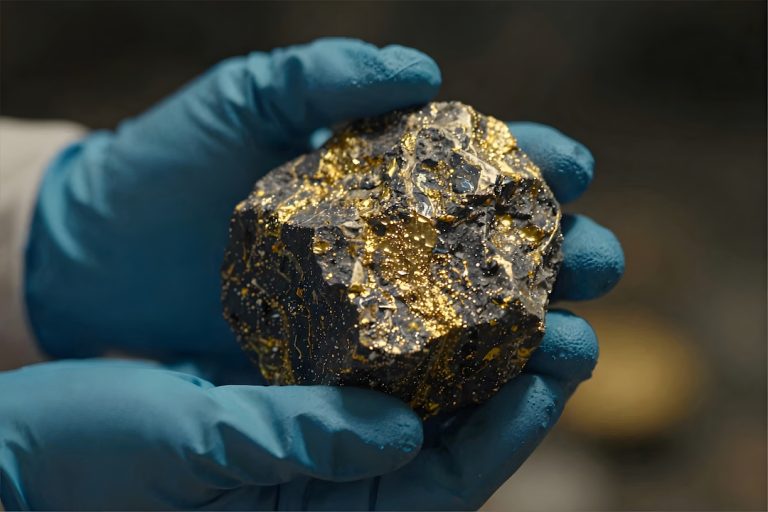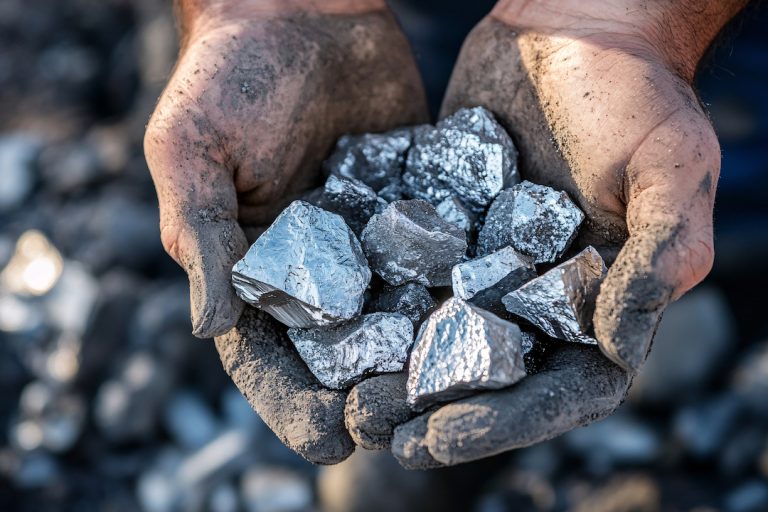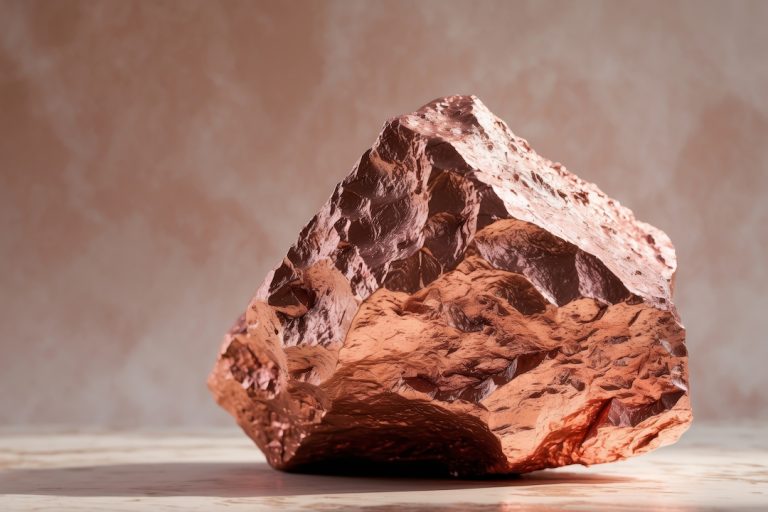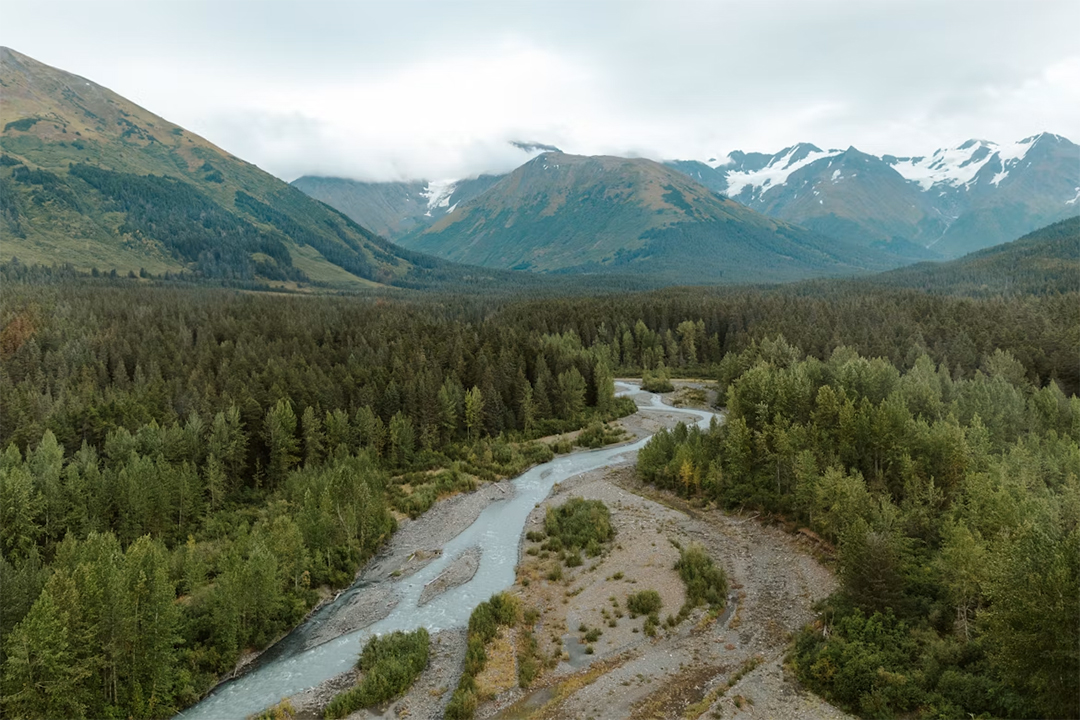
Alaska is one of the world’s great frontier mining jurisdictions. The largest US state by area — at more than 586,000 square miles, roughly one-fifth the size of the contiguous United States — Alaska hosts extraordinary deposits of gold, copper, zinc, cobalt, nickel, rare earths, and a wide range of critical minerals that have attracted the attention of major mining companies and international investors for decades.
Yet Alaska has historically been among the most difficult jurisdictions in the world to develop a mine, owing to its extreme remoteness, harsh climate, absence of infrastructure in vast regions, the complexity of its overlapping federal and state regulatory frameworks, and the sensitivity of its ecosystems and Indigenous communities. Understanding how Alaskan mining actually works — and why it matters to investors right now — requires a clear picture of the regulatory landscape.
The Fundamental Challenge: Infrastructure and Remoteness
Most of Alaska’s known mineral wealth sits in areas with no roads, no power grid, and no port access. The absence of basic infrastructure is often a more significant barrier to development than the regulatory framework itself. Getting heavy equipment, fuel, supplies, and workers to a remote Alaskan mine site — and getting ore concentrates out — typically requires either building expensive new roads, using seasonal ice roads, or relying on air freight, all of which fundamentally affect project economics.
The Ambler Mining District in northwestern Alaska — one of the world’s richest known copper-dominant regions, hosting the Arctic and Bornite deposits advanced by Ambler Metals, a 50/50 joint venture between Trilogy Metals (NYSE American/TSX: TMQ) and South32 — illustrates the infrastructure challenge precisely. The district has been known since the 1970s but remains undeveloped in part because there is no road connecting it to Alaska’s broader transportation network.
The Ambler Road — a proposed 211-mile industrial-use-only road connecting the Ambler Mining District to Alaska’s Dalton Highway — has become one of the most closely watched infrastructure stories in North American mining. President Trump approved permits for the road in October 2025 under the Alaska National Interest Lands Conservation Act, reversing the Biden administration’s 2024 denial.
Who Manages Alaska’s Land — and Who Regulates Mining?
Understanding land ownership and management in Alaska is the starting point for understanding its mining regulations. The federal government manages approximately 60% of Alaska’s total land area — a far higher proportion than any other US state — through a combination of agencies:
- Bureau of Land Management (BLM) Alaska — manages large areas of interior and northern Alaska open to mineral entry under the General Mining Law of 1872. BLM Alaska administers federal mining claims, Notices, and Plans of Operations for hardrock mining on BLM-managed lands.
- US Forest Service — manages the Tongass National Forest (the world’s largest temperate rainforest) in southeast Alaska and the Chugach National Forest south of Anchorage. Mining on Forest Service land in Alaska requires Forest Service Plan of Operations approval.
- National Park Service and US Fish and Wildlife Service — manage national parks, wildlife refuges, and other conservation areas where most mining is prohibited. About 104 million acres of new conservation units were established in Alaska by the Alaska National Interest Lands Conservation Act (ANILCA) in 1980.
At the state level, the Alaska Department of Natural Resources (DNR) manages state-owned lands and issues the permits and authorizations required for mining on state land, including Upland Mining Permits and authorizations to operate.
ANILCA: The Law That Shapes Alaskan Mining
The Alaska National Interest Lands Conservation Act (ANILCA), passed by Congress in 1980, is the foundational federal law shaping land use and mining access in Alaska. ANILCA set aside approximately 104 million acres of new national parks, wildlife refuges, and conservation areas — one of the largest conservation acts in US history. But it also made explicit commitments to Alaskan resource development, including the landmark Section 1106 provision that mandated access to the Ambler Mining District.
Section 1106 of ANILCA states that access “shall be granted” to the Ambler Mining District — an unusual congressional mandate that directly applies to the permitting of the Ambler Road. It was under this provision that the Alaska Industrial Development and Export Authority (AIDEA) — a state public corporation — appealed directly to President Trump to reverse the Biden administration’s 2024 denial of the road permits. In October 2025, Trump issued a decision under Section 1106 granting the required federal permits.
Key Alaskan Mining Projects Investors Should Know
Several projects define the current and future landscape of Alaskan mining investment:
- Ambler Metals (Trilogy Metals/South32 JV) — the Arctic and Bornite deposits in the Ambler Mining District are the most actively watched projects in Alaskan mining. The Arctic VMS deposit contains copper, zinc, lead, gold, and silver. Bornite is a high-grade copper-cobalt deposit. As of April 2026, Ambler Metals had initiated formal permitting for the Arctic mine, according to North of 60 Mining News. Both deposits are covered under FAST-41 status on the Federal Permitting Dashboard.
- Donlin Gold — a joint venture between NovaGold Resources (TSX/NYSE: NG) and Calista Corporation (an Alaska Native corporation), the Donlin Gold project in southwestern Alaska is one of the largest undeveloped gold deposits in the world, with an estimated 39 million ounces of gold in resources. It has been in various stages of permitting for more than a decade.
- Graphite One — advancing a graphite project in the Seward Peninsula region of Alaska, targeting domestic graphite supply for battery anodes.
- Pebble Mine — the most politically controversial mining project in Alaska, a copper-gold-molybdenum deposit in the Bristol Bay watershed in southwest Alaska. The project has faced decades of permitting battles and legal challenges due to its location in one of the world’s most productive salmon fisheries. Its regulatory status has changed multiple times across administrations.
Alaskan Permitting: The Federal-State-Tribal Complexity
Mining permitting in Alaska is among the most complex in the US, owing to the combination of federal land management agencies, state agencies, and the presence of Alaska Native corporations and tribal entities with significant land rights and consultation interests.
A major Alaskan mine typically requires:
- Federal permits — Plan of Operations from BLM or Forest Service; NEPA environmental review (typically a full EIS for major projects); Section 404 Clean Water Act permit from the Army Corps of Engineers; Endangered Species Act consultations (Alaska’s fisheries, bears, and wildlife make ESA particularly relevant)
- State permits — Upland Mining Permit from Alaska DNR; water quality certifications; air quality permits; reclamation plan approval
- Coastal management — the Alaska Coastal Management Program (ACMP) applies to projects in coastal areas, requiring coastal district consistency review
- Alaska Native consultation — ANILCA established requirements for consultation with Alaska Native communities and corporations when federal land management decisions affect subsistence uses. Alaska Natives hold surface rights to significant land areas through the Alaska Native Claims Settlement Act (ANCSA), and regional corporations like NANA Regional Corporation (which holds surface rights in the Ambler area) are key stakeholders in any project development
The Current Policy Environment: Federal Commitment to Alaskan Mining
The Trump administration has been unusually active in advancing Alaskan mining. Beyond approving the Ambler Road permits and adding Alaskan projects to the FAST-41 dashboard, the federal government made a $35.6 million equity investment in Trilogy Metals — acquiring approximately a 10% stake — in connection with the Ambler Road approval. This represented the first time the Permitting Council’s FAST-41 authority was used to support a direct government investment in a mining company, raising questions about the dual role of government as both investor and regulator that have been noted by Alaskan media.
The broader message from the current administration is clear: Alaska’s mineral wealth — particularly its critical mineral deposits of copper, cobalt, nickel, and others — is a national security priority, and federal policy will support rather than obstruct its development.
Key Takeaways for Investors
- Alaska hosts world-class deposits of copper, gold, cobalt, zinc, graphite, and critical minerals — but remoteness and absence of infrastructure are the primary development barriers
- Federal government manages approximately 60% of Alaska’s land; BLM, Forest Service, and state DNR are the key mining regulatory agencies
- ANILCA (1980) is the foundational federal law governing Alaskan land use — including the Section 1106 mandate guaranteeing access to the Ambler Mining District
- The Ambler Road (211 miles) was permitted by President Trump in October 2025, opening access to one of the world’s richest undeveloped copper regions
- The Trump administration has made Alaskan critical mineral development a national security priority, backed by the FAST-41 program and a $35.6M federal investment in Trilogy Metals
- Major projects to watch: Ambler Metals (Arctic and Bornite), Donlin Gold, Graphite One, and Pebble Mine (politically complex)
- Alaska Native corporations and tribal consultation are critical factors in any project — ANCSA land rights and subsistence rights create obligations beyond standard US consultation requirements
SOURCES
1. Mining Weekly — US Backs Alaskan Ambler Mining District (October 2025): https://www.miningweekly.com/article/us-backs-alaskan-ambler-mining-district-with-new-federal-investment-road-approval-2025-10-07
2. Trilogy Metals — Trump Grants Ambler Road Permits (October 2025): https://trilogymetals.com/news-and-media/news/trilogy-metals-applauds-president-trumps-decision-to-grant-permits-for-the-ambler-access-project-to-enable-the-development-of/
3. North of 60 Mining News — Ambler Metals Initiates Arctic Mine Permitting (April 2026): https://www.miningnewsnorth.com/story/2026/04/24/news/ambler-metals-initiates-arctic-mine-permitting/9639.html
4. North of 60 Mining News — US Secures Stake in Ambler Mining District: https://www.miningnewsnorth.com/story/2025/10/10/news/us-secures-stake-in-ambler-mining-district/9301.html
5. Alaska Public Media — To Ambler Mining Company US Government is Both Investor and Regulator: https://alaskapublic.org/programs/alaska-economic-report/2025-12-11/to-ambler-mining-company-u-s-government-is-both-investor-and-regulator
6. ICLG — Mining Laws and Regulations USA 2026: https://iclg.com/practice-areas/mining-laws-and-regulations/usa
7. Federal Permitting Council — permitting.gov: https://www.permitting.gov
DISCLAIMER
This article is an educational explainer based on publicly available regulatory documents, legal commentary, and published industry sources. Information was current as of May 2026. Laws and regulations change — readers should consult the relevant regulatory bodies for the most current requirements. Alaskan mining policy is subject to change between administrations. Readers should monitor regulatory developments closely.
Mining Markets Report has not received compensation from any company, regulatory body, or organization in connection with this article.
The information provided is for informational and educational purposes only and does not constitute financial, investment, legal, or professional advice. Readers are encouraged to conduct their own due diligence and consult a qualified professional before making any investment decision.
For full terms, see our Disclaimer.