Autonomous haulage is arguably the most visible and impactful application of automation technology in modern mining — sophisticated haul trucks that move ore and waste rock across a mine site continuously, without a human driver behind the wheel. What began as a niche experiment at a single Australian iron ore mine in 2008 has scaled to more than 1,000 autonomous trucks operating globally, a number expected to double by 2026. Here is how the technology actually works, and which companies are leading its deployment.
The Short Answer
Autonomous haulage systems (AHS) use GPS, LiDAR, radar, and onboard computing to operate mining haul trucks without a human driver, navigating pre-programmed routes across a mine site to move ore and waste rock. The technology is led by major iron ore producers Rio Tinto, BHP, and Fortescue in Australia’s Pilbara region, using systems primarily supplied by Caterpillar and Komatsu.
How Autonomous Haulage Systems Work
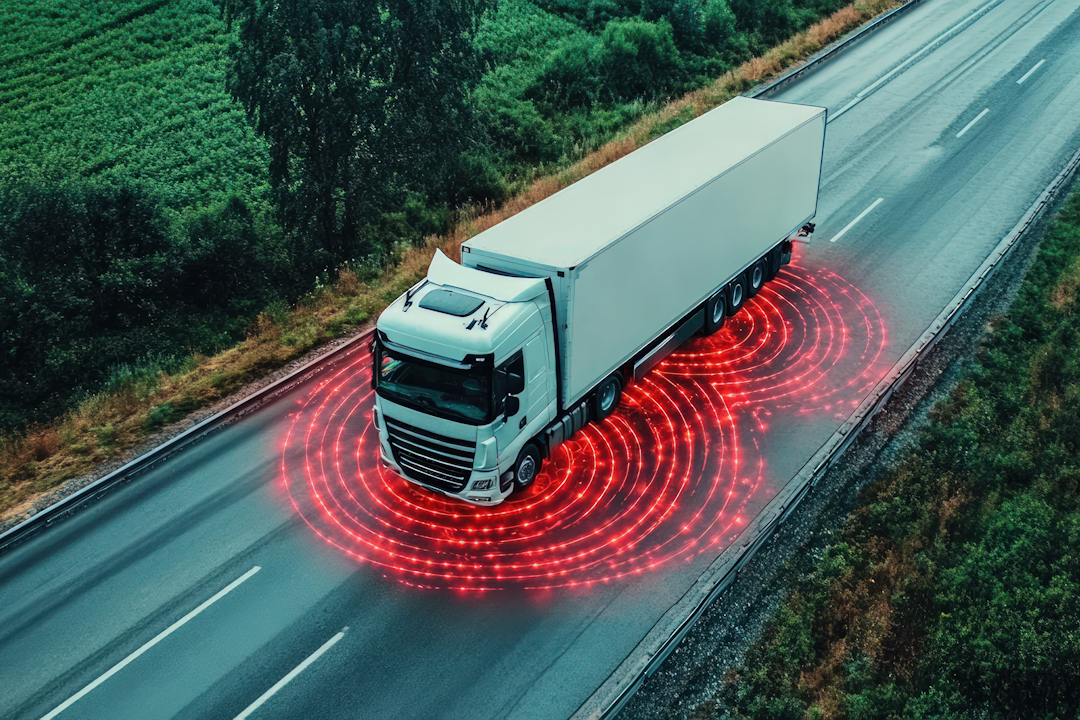
The technology behind autonomous mining trucks integrates several sophisticated systems working together. High-precision GPS provides centimeter-level positioning accuracy, allowing the truck to know its exact location on the mine site at all times. LiDAR sensors create detailed real-time 3D maps of the surrounding environment, emitting laser pulses at rates exceeding 1.3 million points per second to detect obstacles, other vehicles, and terrain features. Radar systems provide additional detection capability, particularly useful in dust, rain, or other conditions that can degrade optical sensor performance. Together, these systems allow the truck to navigate a pre-programmed route, avoid obstacles, and interact safely with other autonomous and human-operated vehicles on site — all coordinated by a centralized control system typically monitored from a remote operations center, sometimes located hundreds of kilometers away from the physical mine.
The Pioneers: Fortescue and Rio Tinto
Fortescue Metals Group made history in 2012 by deploying the world’s first commercial-scale autonomous haulage system, in partnership with Caterpillar, marking the beginning of large-scale autonomy in the mining industry. Fortescue has continued to expand its fleet since, deploying more than 175 autonomous trucks across its Chichester Hub operations and reporting a 30% productivity improvement compared to manually operated trucks. In March 2026, Caterpillar renewed its autonomous haulage system contract with Fortescue, extending Cat MineStar Command technology across three of the company’s Western Australian mining sites.
Rio Tinto operates what is generally regarded as the world’s largest single-owner autonomous truck fleet, with more than 400 trucks now operating across its Pilbara iron ore operations — a milestone reached through a long-standing partnership with Komatsu, whose 300th autonomous haulage system truck was delivered to the Pilbara as part of that relationship. Rio Tinto’s rollout followed a deliberately phased approach, beginning with isolated site trials before scaling up to full autonomous operation across entire mine sites.
BHP’s Approach
BHP has similarly invested heavily in mining automation, deploying autonomous drilling systems at multiple sites and autonomous haul trucks at operations including its major Escondida copper mine in Chile — extending the technology beyond Australian iron ore into South American copper operations. BHP Mitsubishi Alliance (BMA) has also pursued a distinctive retrofit strategy, announcing plans to convert up to 86 existing Komatsu 930E haul trucks to autonomous operation at its Goonyella coal mine, illustrating that automation upgrades can be applied to existing equipment fleets, not only newly purchased trucks.
Beyond Diesel: The Battery-Electric Trial
In a notable industry-first collaboration announced in late 2025, BHP and Rio Tinto — normally fierce competitors — jointly partnered with Caterpillar to trial battery-electric autonomous haul trucks at BHP’s Jimblebar iron ore mine in the Pilbara. The first two Cat 793 XE Early Learner battery-electric trucks arrived in December 2025 following extensive safety validation at Caterpillar’s US proving grounds, with on-site testing showing meaningful progress by mid-2026. The trial represents a parallel and complementary technology push — combining autonomy with decarbonization — as the industry works to address both safety and emissions simultaneously.
The Global Scale of Autonomous Haulage
As of 2023, approximately 1,000 or more autonomous trucks were operational across global mining sites, according to Discovery Alert, with that number expected to double by 2026. Notably, China has emerged as a major player in this space — leading with an estimated 2,090 autonomous haul trucks according to GlobalData, ahead of Australia, Canada, and Chile, driven substantially by state-owned coal and energy companies including CHN Energy Investment Group. Caterpillar remains the leading original equipment manufacturer globally for autonomous haulage systems, followed by Komatsu, though Chinese manufacturers including XCMG and various third-party autonomy technology providers are expanding their presence in the sector as well. GlobalData projects the overall autonomous mining equipment market will reach $4.3 billion by 2030.
Why Companies Are Investing in Autonomy
Two primary drivers underpin the sustained industry investment in autonomous haulage: safety and productivity. Removing human operators from repetitive, high-risk driving tasks in one of the more hazardous industrial environments — as covered in our open pit mining explainer — significantly reduces heavy-vehicle interactions and on-site incident rates. On the productivity side, autonomous trucks can operate continuously without driver shift changes, fatigue-related slowdowns, or breaks, contributing to the meaningful efficiency gains companies like Fortescue have reported.
Key Takeaways for Investors
- Autonomous haulage systems use GPS, LiDAR, and radar to operate mining haul trucks without human drivers, coordinated from remote operations centers
- Fortescue pioneered commercial-scale deployment in 2012; Rio Tinto now operates the world’s largest single-owner autonomous fleet with 400+ trucks
- Caterpillar and Komatsu are the leading suppliers of autonomous haulage technology, though Chinese manufacturers are expanding their presence
- China leads globally in total autonomous truck deployment, driven substantially by state-owned coal and energy companies
- BHP and Rio Tinto are jointly trialing battery-electric autonomous trucks with Caterpillar, combining autonomy with decarbonization efforts
- The global autonomous mining equipment market is projected to reach $4.3 billion by 2030, driven by safety and productivity gains
SOURCES
1. Discovery Alert — Autonomous Trucks and Drilling Systems Revolutionising Mining Safety: https://discoveryalert.com.au/revolutionizing-mining-autonomous-technologies-2025-safety-productivity/
2. Canadian Mining Journal — Fortescue Extends Autonomous Mining Truck Agreement with Caterpillar: https://www.canadianminingjournal.com/news/fortescue-extends-autonomous-mining-truck-agreement-with-caterpillar/
3. International Mining — Caterpillar Sets Out to Hit Over 2,000 Autonomous Mining Trucks by 2030: https://im-mining.com/2025/11/07/caterpillar-sets-out-to-hit-over-2000-autonomous-mining-trucks-by-2030/
4. EACON Mining — From One Truck to Thousands: The Global Rise of Autonomous Mining: https://www.eaconmining.com.au/content/details126_493.html
5. GlobalData — Development of Autonomous Trucks in the Global Mining Sector, 2025: https://www.globaldata.com/store/report/development-of-autonomous-trucks-in-mining-market-analysis/
DISCLAIMER
This article is an educational explainer based on publicly available industry data, market research, and published analyst commentary. Information was current as of the publication date noted below. Commodity price data and forecasts are sourced as cited and reflect market conditions at the time of writing.
Mining Markets Report has not received compensation from any company, institution, or organization in connection with this article.
Institutional price forecasts and analyst commentary referenced in this article represent third-party opinions at the time of publication and are not guarantees of future commodity performance.
The information provided is for informational and educational purposes only and does not constitute financial, investment, or professional advice. Readers are encouraged to conduct their own due diligence and consult a qualified financial advisor before making any investment decision.
For full terms, see our Disclaimer.