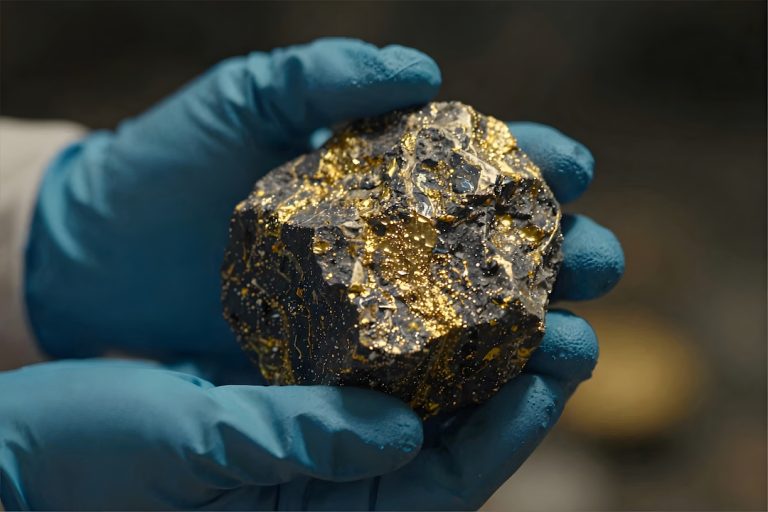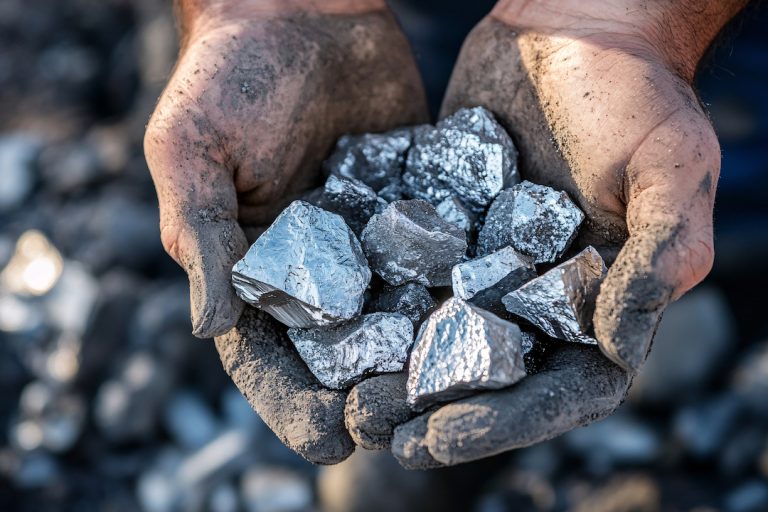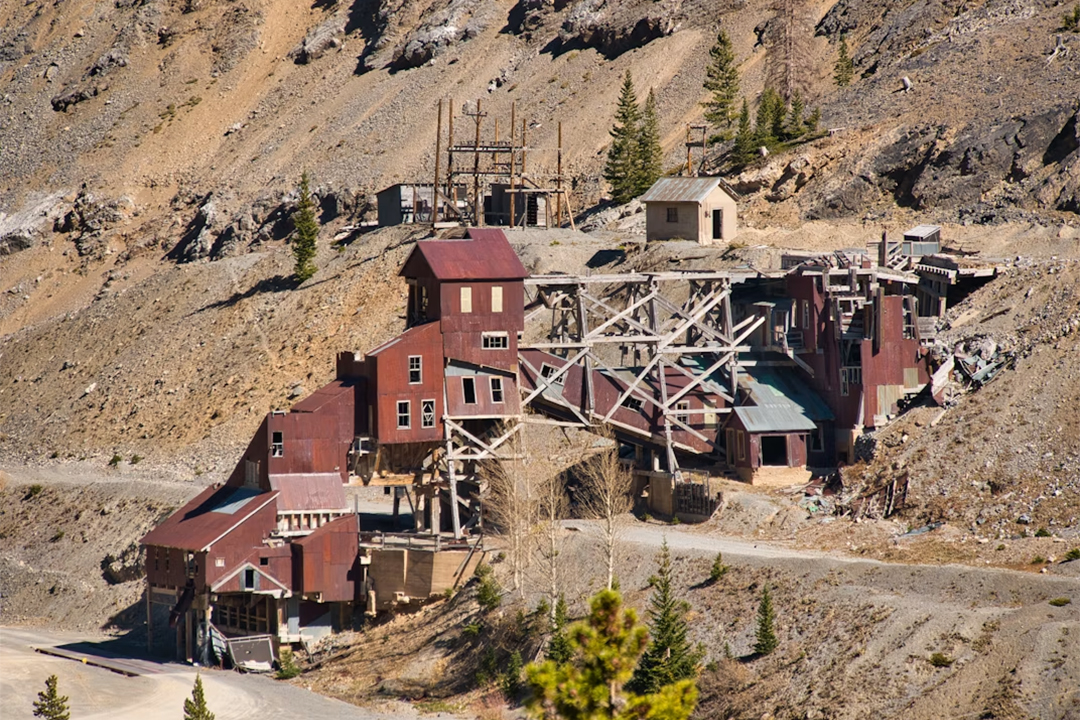
On May 10, 1872, President Ulysses S. Grant signed a law that fundamentally shaped the American West and the US mining industry for the next 150 years. The General Mining Act of 1872 — sometimes called the Hardrock Mining Law or simply the 1872 Mining Law — was designed to encourage settlement and economic development in a nation recovering from the Civil War. Today it remains the foundational legal framework governing the extraction of gold, silver, copper, uranium, and other hardrock minerals from federal public lands.
Understanding the 1872 Act is essential for any investor following US-listed mining companies or US-based projects. The law defines how mining claims work, who has the right to mine on federal land, and what companies must pay — and critically, what they do not pay — to extract public resources.
Why Was the 1872 Mining Law Created?
In the decades before 1872, miners in California, Nevada, and across the West had developed informal systems of staking and protecting mining claims on federal land without any express legal framework. The California Gold Rush of 1849 and subsequent mineral rushes in Nevada, Colorado, and elsewhere had created de facto mining communities with their own customs and rules — but no formal legal foundation.
Congress passed a series of laws in 1866 and 1870 that began formalizing these arrangements. The 1872 Act consolidated and expanded these earlier laws, creating a single national framework that codified the informal western mining tradition, promoted westward settlement, and opened vast federal lands to private mineral development with minimal restrictions.
The law was written for a different era — one without environmental regulations, without recognition of Indigenous land rights, and without the concept of federal resource royalties. Those tensions define much of the ongoing debate about the law today.
How Does the 1872 Mining Law Work?
Under the 1872 Mining Act, any US citizen or company 18 or older has the right to stake a mining claim on federal public domain lands that are open to mineral entry — giving them the exclusive right to explore and extract valuable hardrock minerals from that claim.
There are two types of mining claims under the 1872 law:
- Lode Claims — cover hard rock mineral veins or deposits. A lode claim can extend up to 1,500 feet along the strike of the vein and 300 feet on each side of the vein. These are used for gold-bearing quartz veins, copper porphyry deposits, and most other hard rock mineral bodies.
- Placer Claims — cover gold or mineral-bearing gravel, sand, or alluvial deposits typically found in stream beds or ancient river channels. A single placer claim covers up to 20 acres; association placer claims allow up to 160 acres for groups of eight or more.
Claims are filed with both the county recorder of the county in which the claim is located and registered with the Bureau of Land Management (BLM), the federal agency that administers public land mineral rights. To maintain a claim, the holder must pay an annual maintenance fee — currently $165 per claim — to the BLM. Failure to pay results in the claim lapsing.
The Royalty Issue: Why the Law Is Controversial
The most contentious feature of the 1872 Mining Law is what it does not require: a royalty payment to the federal government for the extraction of publicly-owned minerals.
When a company mines gold, silver, or copper from federal public land under the 1872 law, it pays no royalty on the value of the minerals extracted. This stands in stark contrast to how the federal government manages other publicly-owned resources — oil, gas, and coal companies all pay royalties to the federal government for the right to extract resources from public lands. Only hardrock minerals remain royalty-free.
Critics, including the non-profit watchdog Taxpayers for Common Sense, have estimated that more than $300 billion worth of hardrock minerals have been extracted from federal public lands without royalty payments since the law was enacted. Environmental advocacy groups argue that this represents an enormous ongoing subsidy to the mining industry at taxpayer expense.
The mining industry and its supporters counter that the 1872 law’s royalty-free structure is what makes US domestic mining economically viable given the high costs of American labor, environmental compliance, and permitting — and that imposing royalties could reduce US mineral production and increase reliance on foreign supply chains.
Reform legislation proposing royalties of 4 to 8% on hardrock mining has been introduced in Congress in multiple sessions over the past three decades. As of 2026, no such reform has been enacted. The debate continues.
No Environmental Provisions
The 1872 law contains no environmental protection provisions — it was written 97 years before the National Environmental Policy Act (NEPA), 100 years before the Clean Water Act, and 101 years before the Endangered Species Act. Those subsequent laws now apply to mining activity on federal lands alongside the 1872 law, but the 1872 Act itself provides no basis for denying a mining claim on environmental grounds.
This creates a complicated legal situation. Federal land management agencies have generally concluded they cannot deny a mining permit solely because of potential environmental damage under the 1872 law — though NEPA, the Clean Water Act, and other laws do give agencies tools to impose conditions and modifications. The lack of environmental protection provisions has resulted in thousands of abandoned mine sites across the West — many of which are now listed as Superfund sites under CERCLA — where cleanup costs have fallen to taxpayers because the original operators are long gone or bankrupt.
Patenting: Converting Federal Land to Private Ownership
The original 1872 law allowed mining claim holders to “patent” their claims — permanently converting the federal land to private ownership for a nominal fee of $2.50 to $5 per acre. Historically, patenting was used to secure permanent title to land containing valuable mineral deposits.
A moratorium on new mineral patent applications has been in place since 1994 — no new patents have been issued for almost three decades, though previously granted patents remain valid. Eliminating the patent provision is generally included in proposed reform legislation.
The 1872 Law and Critical Minerals
A notable feature of the 1872 law’s original scope is that it covers lithium — one of the most critical minerals for modern battery technology — because lithium is classified as a “locatable mineral” under the law. Lithium mining on federal lands is governed by the same 1872 framework as gold and copper.
This has become increasingly significant as the US seeks to develop domestic lithium supply chains for electric vehicles and grid storage. Nevada, which hosts some of the world’s largest known lithium deposits, has more than 275,000 active mining claims under the 1872 law — the largest BLM mining program in the country by a significant margin.
Key Takeaways for Investors
- The General Mining Act of 1872 is the foundational US law governing hardrock mining on federal public domain lands
- Any US citizen or company can stake lode or placer claims on federal lands open to mineral entry for a nominal annual fee of $165 per claim
- No royalty is paid to the federal government on hardrock minerals extracted under the 1872 law — unlike oil, gas, and coal
- The law contains no environmental provisions — environmental protection comes from subsequent laws including NEPA, the Clean Water Act, and the Endangered Species Act
- Mineral patenting — converting federal land to private ownership — has been under moratorium since 1994
- Lithium and other critical minerals are covered by the 1872 law as locatable minerals
- Reform proposals to impose royalties of 4–8% have been debated for decades but not enacted as of 2026
SOURCES
1. BLM — Lode and Placer: 150 Years of Mining Claims on Public Lands: https://www.blm.gov/blog/2022-05-10/lode-placer-150-years-mining-claims-public-lands
2. Ballotpedia — General Mining Law of 1872: https://ballotpedia.org/General_Mining_Law_of_1872
3. Wikipedia — General Mining Act of 1872: https://en.wikipedia.org/wiki/General_Mining_Act_of_1872
4. Taxpayers for Common Sense — Hardrock Mining on Federal Lands: https://www.taxpayer.net/energy-natural-resources/hardrock-mining-on-federal-lands/
5. Earthworks — 1872 Mining Law: https://earthworks.org/issues/1872-mining-law/
6. EBSCO Research — General Mining Law of 1872: https://www.ebsco.com/research-starters/law/general-mining-law-1872
7. BLM Nevada — Mining and Minerals: https://www.blm.gov/programs/energy-and-minerals/mining-and-minerals/about/nevada
DISCLAIMER
This article is an educational explainer based on publicly available regulatory documents, legal commentary, and published industry sources. Information was current as of May 2026. Laws and regulations change — readers should consult the relevant regulatory bodies for the most current requirements. The 1872 Mining Law has been subject to ongoing reform debates — readers should monitor Congressional developments for any changes.
Mining Markets Report has not received compensation from any company, regulatory body, or organization in connection with this article.
The information provided is for informational and educational purposes only and does not constitute financial, investment, legal, or professional advice. Readers are encouraged to conduct their own due diligence and consult a qualified professional before making any investment decision.
For full terms, see our Disclaimer.