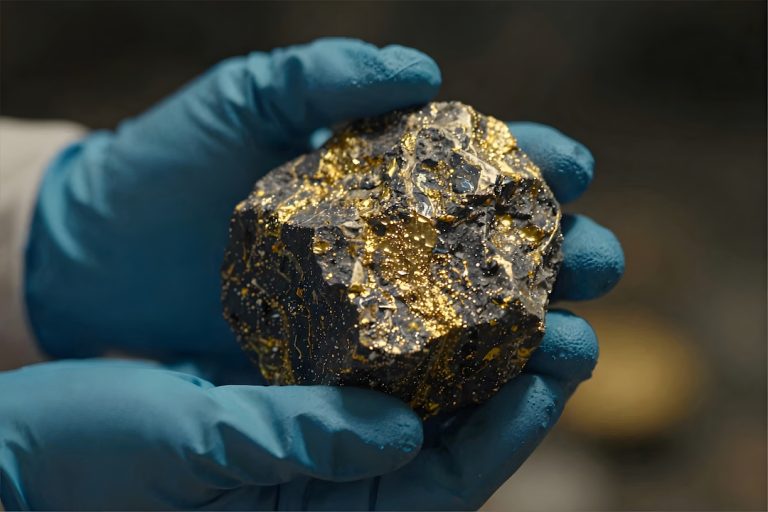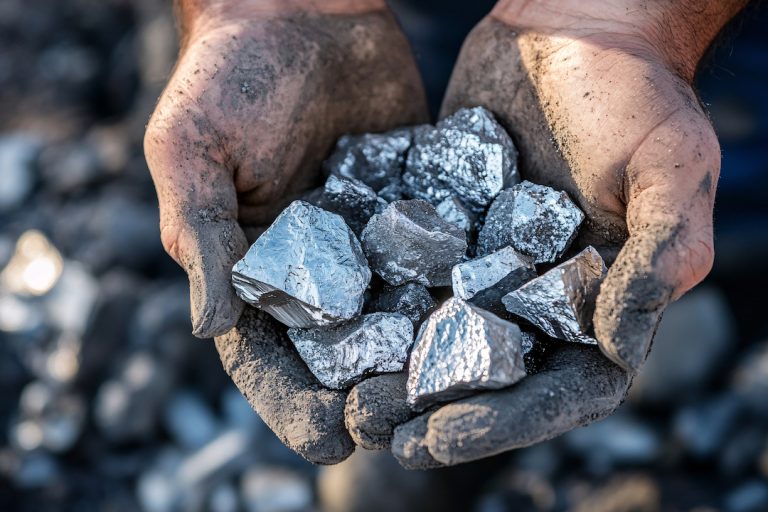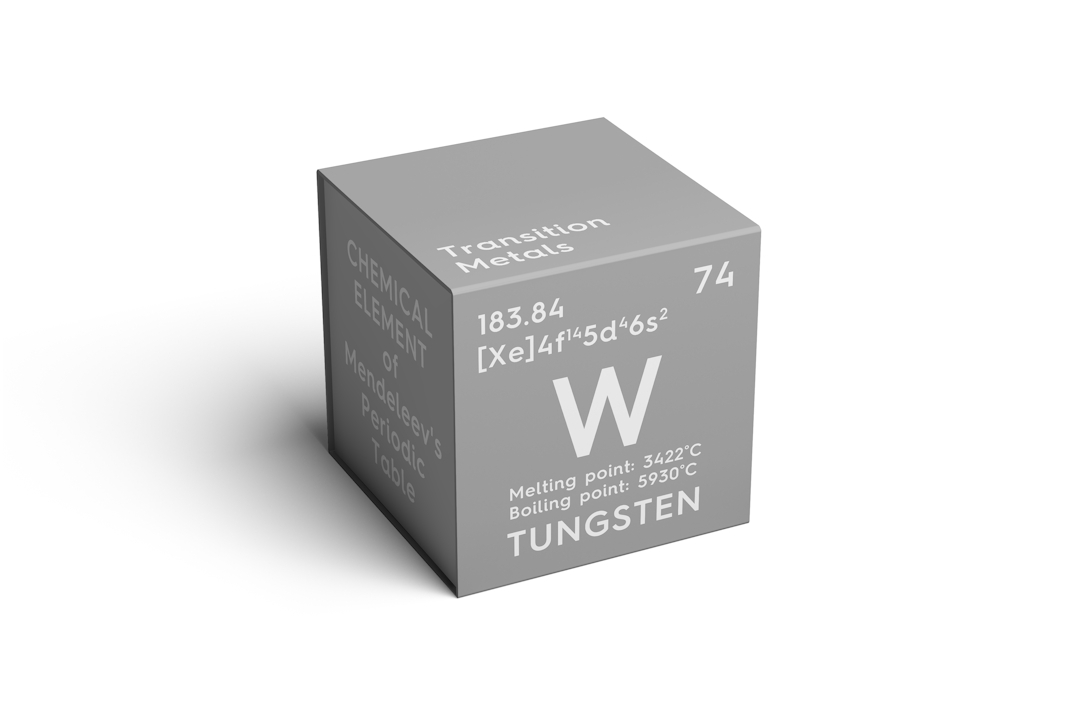
Tungsten is a small commodity by overall market size, but it has become one of the most closely watched critical minerals in global policy circles — described by one industry expert as “a strategic choke point in the critical minerals supply chain.” China’s export restrictions, imposed in stages since February 2025, sent prices up an extraordinary 273% year-on-year by April 2026. Here is what makes tungsten irreplaceable, and why this obscure metal has become a genuine test case for Western critical minerals strategy.
The Short Answer
Tungsten has the highest melting point of any metal and extraordinary hardness and density, making it essential to defense systems, semiconductors, aerospace, and industrial cutting tools with no practical substitute available. China controls more than 80% of global tungsten output and over half of known reserves, giving it significant leverage that it has increasingly exercised through export controls since 2025.
Why Tungsten Is So Hard to Replace
Tungsten’s defining properties — extreme hardness, exceptionally high density, and the highest melting point of any metal on the periodic table — make it uniquely suited to applications that push materials to their physical limits. As one European commodity strategist put it, “You can’t build a hypersonic glide vehicle or AI chip without tungsten. There’s no substitute.”
What Tungsten Is Actually Used For
Tungsten’s applications span both defense and civilian industry:
- Defense systems — tungsten is a critical input in armor-piercing munitions (where its extreme density makes it an effective and less toxic alternative to depleted uranium), aerospace components, and advanced weapons systems. According to reports emerging in March 2026, ongoing global conflicts were accelerating consumption of tungsten-bearing military equipment even as Chinese export controls constrained available supply
- Semiconductors and electronics — tungsten is used in chip manufacturing and advanced electronics, making it directly relevant to the broader technology and AI supply chain, not just to defense
- Industrial cutting tools — tungsten carbide, an extremely hard compound of tungsten and carbon, is essential to machine tools, drill bits, and cutting equipment used across advanced manufacturing and mining equipment itself
- Aerospace — tungsten’s heat resistance and density make it valuable in aerospace components subjected to extreme conditions
- Medical shielding and high-temperature applications — tungsten’s density also makes it useful for radiation shielding in medical settings, and its melting point supports emerging energy and scientific applications
China’s Dominance and the Escalating Export Controls
China controls over 80% of global tungsten output and more than half of known global reserves, according to Quest Metals — a concentration level that gives Beijing substantial leverage over the global market. Beginning in February 2025, China imposed export licensing requirements covering tungsten-related products alongside several other strategic materials including tellurium, bismuth, indium, and molybdenum.
The controls escalated significantly through 2025 and into 2026. In January 2026, China published its 2026 Catalogue of Dual-Use Items and designated just 15 specific companies as authorized to export tungsten products — a dramatic centralization of control over the export process. According to Discovery Alert, this administrative approach treats tungsten compounds — including ammonium paratungstate (APT), tungsten oxides, and tungsten carbides — as strategically sensitive, with export applications subject to end-use restrictions and destination-based assessments.
The Price Impact
The benchmark price for Ammonium Paratungstate (APT) delivered to Rotterdam and Baltimore was approximately $335 per metric ton unit in January 2025. By April 2026, the Asia-Pacific volume-weighted average price for tungsten had increased approximately 273% year-on-year, reaching roughly $183.32/kg global weighted average FOB, according to figures cited by InvestorNews and CriticalMineralsPlatform.com.
The Western Response
In 2025, the US Department of Defense placed tungsten on its critical minerals list and initiated strategic stockpiling under the Defense Production Act. The Pentagon has been working with allied nations including South Korea, Portugal, and Australia to develop supply chains that reduce dependence on China. Parallel private-sector efforts include equity-based offtake agreements between Western governments and junior tungsten miners such as Almonty Industries (with operations spanning Canada and South Korea) and EQ Resources (Australia), both frequently cited as among the few companies positioned to offer “clean,” non-Chinese tungsten supply.
In June 2025, the House Select Committee on China formally requested detailed information from Almonty Industries about its capacity and commitment to supply the United States with tungsten, explicitly citing the metal’s essential role in US ammunition, aerospace components, and advanced electronics — for which, at the time, there was no domestic US production. A separate legislative effort, the REEShore Act, would have prohibited the use of Chinese tungsten in US military equipment starting in 2026, but as of publication it had not been passed into law.
Key Takeaways for Investors
- Tungsten’s extreme hardness, density, and melting point make it essential to defense systems, semiconductors, and industrial cutting tools with no practical substitute
- China controls more than 80% of global tungsten output and over half of known reserves
- Escalating Chinese export controls since February 2025, including a January 2026 restriction to just 15 authorized exporting companies, drove prices up roughly 273% year-on-year by April 2026
- The US Department of Defense added tungsten to its critical minerals list in 2025 and began strategic stockpiling under the Defense Production Act
- Key non-Chinese producers being supported through Western government partnerships include Almonty Industries and EQ Resources
- Legislative efforts to restrict Chinese tungsten in US military equipment (the REEShore Act) have been introduced but not yet passed into law
SOURCES
1. Discovery Alert — China Tungsten Export Controls: Supply Chain Crisis 2026: https://discoveryalert.com.au/strategic-materials-security-chinas-tungsten-controls-2026/
2. InvestorNews — Tungsten and the New Global Supply Chain War: https://investornews.com/critical-minerals-rare-earths/tungsten-and-the-new-global-supply-chain-war/
3. KTVZ — Tungsten: The Obscure Metal Testing the West’s Critical Minerals Strategy: https://ktvz.com/stacker-business-economy/2026/07/21/tungsten-the-obscure-metal-testing-the-wests-critical-minerals-strategy/
4. Quest Metals — Chinese Tungsten Product Prices Surge: https://www.questmetals.com/blog/chinese-tungsten-product-prices-surge
5. House Select Committee on China — Select Committee Strives to Secure Tungsten Supply with Almonty Inquiry: https://chinaselectcommittee.house.gov/media/press-releases/select-committee-strives-secure-tungsten-supply-almonty-inquiry
DISCLAIMER
This article is an educational explainer based on publicly available industry data, market research, and published analyst commentary. Information was current as of the publication date noted below. Commodity price data and forecasts are sourced as cited and reflect market conditions at the time of writing.
Mining Markets Report has not received compensation from any company, institution, or organization in connection with this article.
Institutional price forecasts and analyst commentary referenced in this article represent third-party opinions at the time of publication and are not guarantees of future commodity performance.
The information provided is for informational and educational purposes only and does not constitute financial, investment, or professional advice. Readers are encouraged to conduct their own due diligence and consult a qualified financial advisor before making any investment decision.
For full terms, see our Disclaimer.