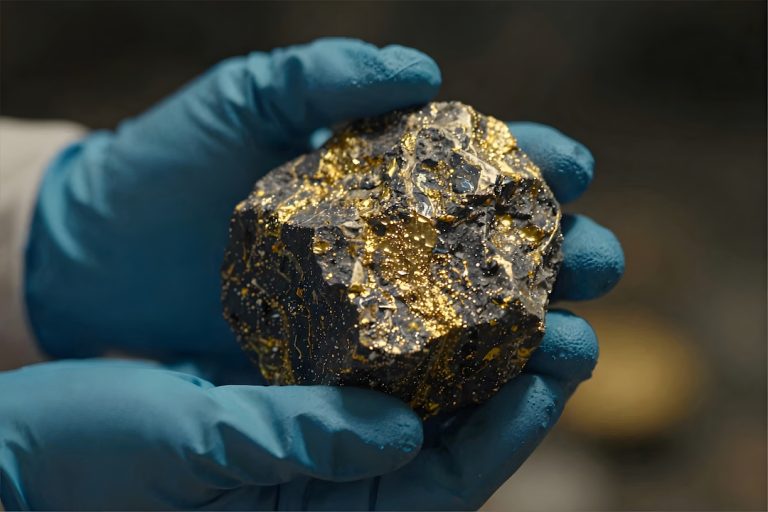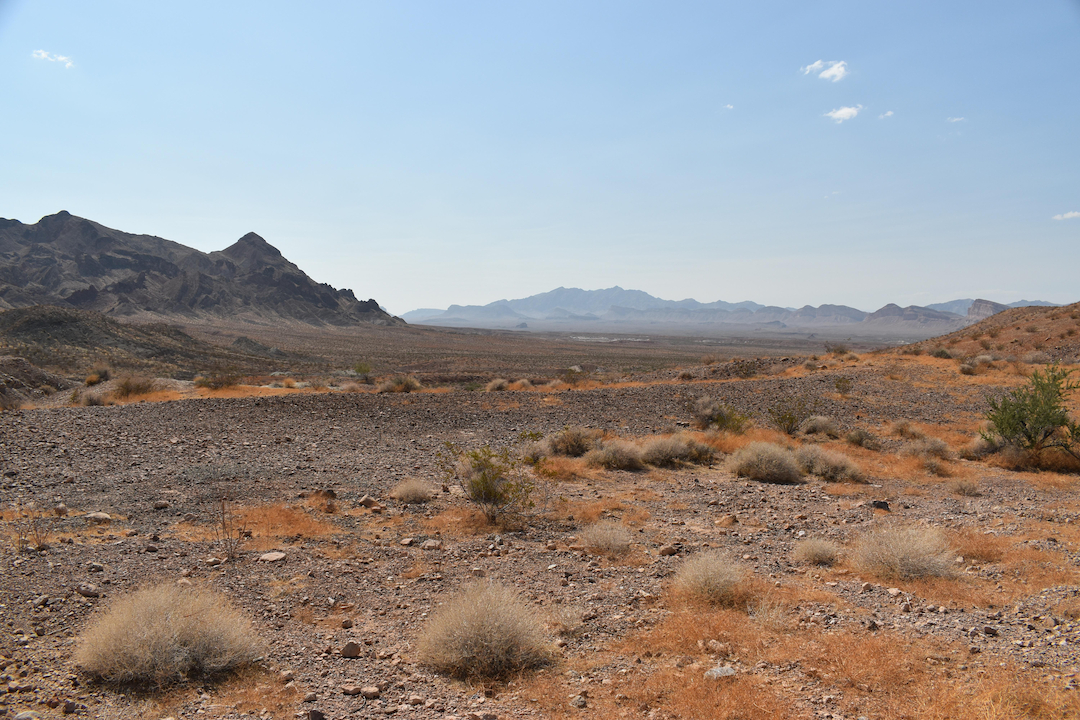
Nevada Organic Phosphate Inc. (CSE: NOP; OTCQB: NOPFF) reported new assay results on August 26, 2026 from hole MM26-10, a step-out drilled 1.5 kilometers along strike from previously tested ground at its Murdock Mountain phosphate project in northeast Nevada. The hole returned 10.89% P2O5 (phosphorus pentoxide, the standard measure used to express phosphate rock grade) over 3.60 meters, extending the company’s confirmed strike length of phosphate mineralization to more than 3 kilometers.
What Phosphate Mining Is About
Phosphate rock is the primary raw material for phosphate fertilizer, and it functions differently in markets than metals like gold or copper: its price and demand track global agricultural and food-supply trends rather than industrial or investment demand. The U.S. Geological Survey has listed phosphate rock as a critical mineral since 2018, reflecting concern that the U.S. imports much of its supply while global reserves are concentrated in a small number of countries, chiefly China and Morocco. Nevada Organic Phosphate is positioning its project around that dynamic, along with a specific market niche: phosphate rock certifiable for organic farming use, which requires low levels of heavy metals and other contaminants compared to standard phosphate ore.
What the Drilling Found
The reported interval sits within the company’s Upper Phosphate Zone, which it interprets as a broadly flat-lying sedimentary layer within the Meade Peak Member of the Phosphoria Formation, a well-documented phosphate-bearing rock unit found across the western United States. Individual one-meter samples within the reported interval ranged as high as 16.20% P2O5, with the surrounding zone grading lower, in the 2.4% to 3.6% range. The company said this step-out confirms the mineralized zone continues to extend along strike, supporting its broader model of a large, laterally continuous phosphate system. Notably, the company’s heavy metal and contaminant assays for this hole, the data relevant to its organic-certifiable claims, have not yet been released; the company said those results will follow once processed and reviewed.
Quality Control
The company disclosed a fairly detailed quality-assurance process for this release: assaying was conducted by ALS Laboratories, an independent lab accredited to ISO/IEC 17025:2017, using a whole-rock X-ray fluorescence method. The company said it inserts blank samples roughly every 11 samples and certified reference material standards roughly every 22 samples, both practices aligned with NI 43-101 quality-control conventions. The Qualified Person reviewing this release, Kenneth N. Tullar, is described by the company as independent, meaning he holds no ownership stake or dual role at the company beyond his technical review function.
Project Context
Nevada Organic Phosphate describes Murdock Mountain as centered on a 6.6-kilometer phosphate bed, with additional mineral claims extending the property’s potential strike length to more than 30 kilometers, though only part of that broader land package has been drill-tested to date. The company characterizes the project as the only known large-scale organic-certifiable sedimentary phosphate project in North America, a characterization that is the company’s own and has not been independently verified. No resource estimate has yet been published for the project; drilling to date has been focused on confirming the extent and grade of mineralization along strike.
Sources
Editorial Disclosure
This article is based on a press release issued by Nevada Organic Phosphate Inc. on August 26, 2026, distributed via PRNewswire. Securities discussed: Nevada Organic Phosphate Inc. (CSE: NOP; OTCQB: NOPFF). Mining Markets Report has not received compensation from Nevada Organic Phosphate, its management, investor relations representatives, or any third party for this coverage. No staff member or principal of Mining Markets Report holds a position in this security at the time of publication. Drill intercept grades reported here are individual exploration results and do not constitute a mineral resource estimate; no NI 43-101 mineral resource estimate has been published for this project. Heavy metal and contaminant assay results for hole MM26-10, which are relevant to the company’s organic-certifiable phosphate claims, had not been released as of this article’s publication. The company’s characterization of the project as the only known large-scale organic-certifiable sedimentary phosphate project in North America is the company’s own claim and has not been independently verified by Mining Markets Report. Statements regarding the project’s potential scale, future drilling, and organic certification are forward-looking and involve known and unknown risks; actual results may differ materially. References to this company are for market context and analytical purposes only and do not constitute an investment recommendation. All securities carry investment risk including possible loss of capital. Coverage on Mining Markets Report is for informational and educational purposes only; Mining Markets Report is not a registered investment advisor. Readers should conduct their own due diligence and consult a qualified financial advisor before making investment decisions.
See our full DISCLAIMER.