anagold Resources Ltd. (TSX: CCM; OTCQB: CRCUF) reported high-grade gold and antimony assays from three additional holes drilled at its wholly owned New Polaris project in northwestern British Columbia.
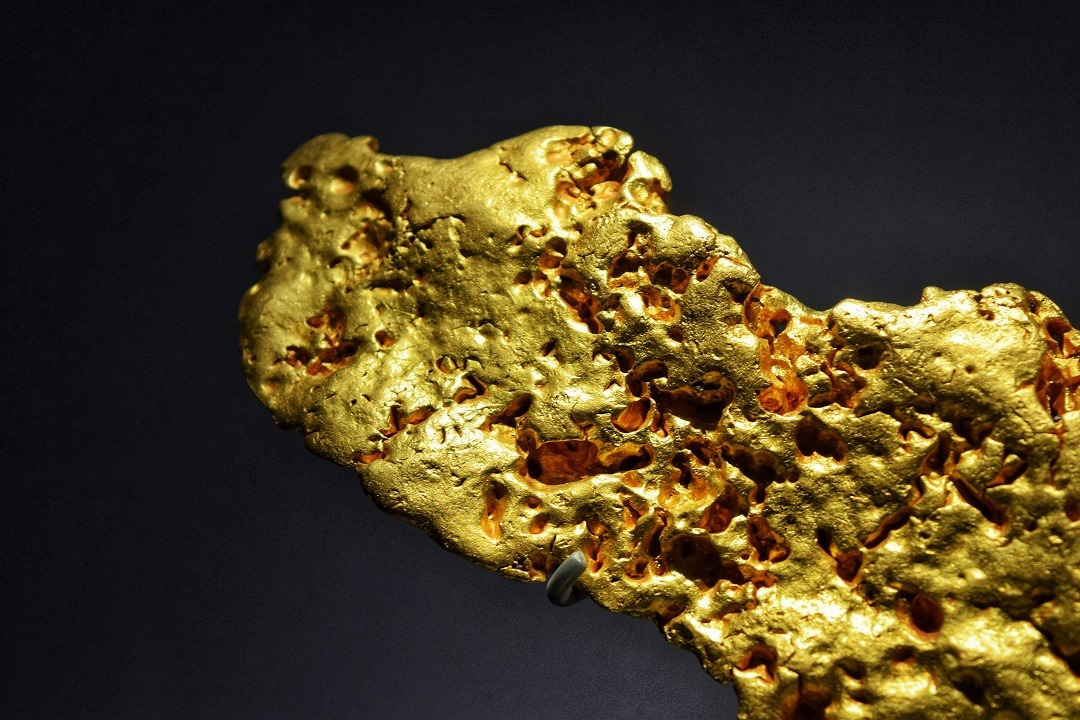
Hole NP26-08 returned 52.8 grams per tonne gold and 0.83% antimony over 4.64 meters from 503 meters downhole.
The interval included 2.64 meters grading 69.8 g/t gold and 0.13% antimony, followed by two meters grading 30.4 g/t gold and 1.75% antimony.
Additional Holes Return High-Grade Gold
Hole NP26-07 intersected 24.6 g/t gold over 7.33 meters from 458.52 meters downhole, including 70.4 g/t gold over 1.18 meters.
A separate interval in the same hole returned 8.04 g/t gold and 0.09% antimony over 10 meters from a depth of 294 meters.
Hole NP26-09 returned 6.50 g/t gold over 6.92 meters from 231.08 meters downhole.
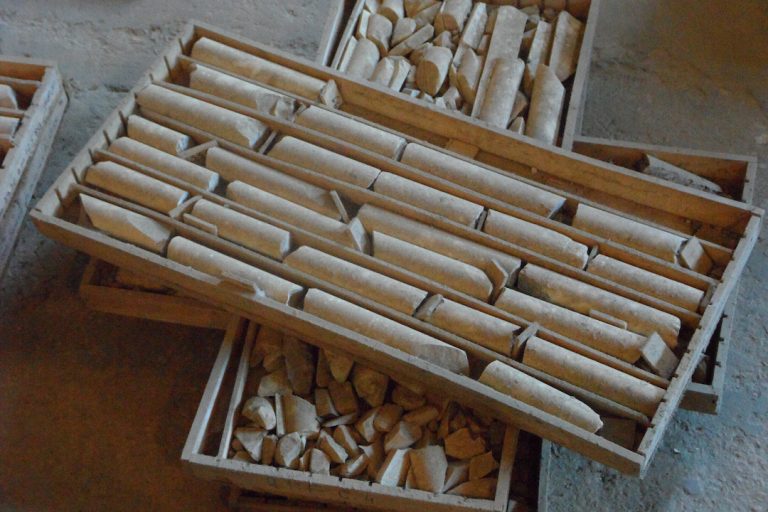
The results come from Canagold’s completed 14-hole resource infill and expansion program, which totaled 7,277 meters. The program targeted gold-antimony mineralization within and near the existing New Polaris mine plan.
Canagold said most of the reported high-grade intervals are not included in the current Mineral Resource model or mine plan. However, the assays do not automatically add tonnes or contained metal to the project’s Mineral Resources or Mineral Reserves. Additional geological modeling and technical evaluation will be required.
True Widths Remain Unknown
All reported intervals are drill-core lengths. Canagold said insufficient drilling and modeling have been completed to determine the true dip, strike orientation or true widths of the intercepted veins.
The headline interval also begins 503 meters downhole. Downhole depth does not necessarily represent vertical depth below surface, but it provides context for the location of the mineralization within the drill hole.
These limitations make further drilling important for determining the geometry, continuity and potential scale of the high-grade zones.
Antimony Not Included in Feasibility Economics
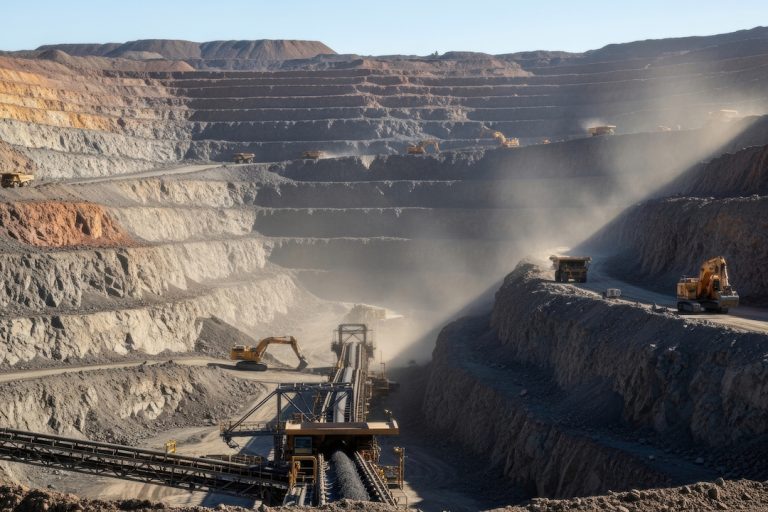
Canagold completed a feasibility study for New Polaris in 2025. The study outlined an underground operation with an estimated 8.3-year mine life, processing approximately 2.8 million tonnes at an average diluted grade of 9.94 g/t gold.
The study estimated 805,589 ounces of recovered gold over the proposed mine life. Its mine plan included an estimated 5,173 tonnes of antimony, but assigned no revenue to the metal and did not establish an antimony Mineral Reserve.
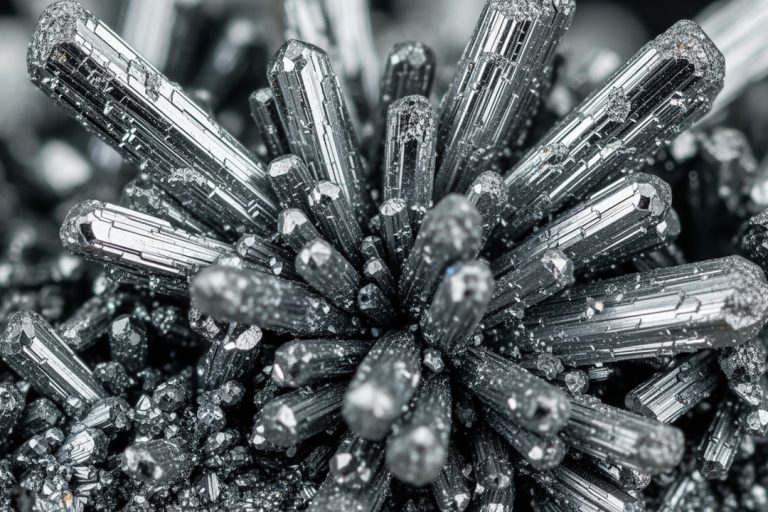
Canagold has since conducted additional metallurgical work. Laboratory testing announced in October produced physical metal grading more than 99% antimony from New Polaris concentrate. Further optimization, engineering, economic analysis and commercial-scale validation are still required before antimony can be incorporated into the project’s feasibility economics.
The latest drilling may inform future resource and mine-plan updates, but New Polaris remains subject to permitting, financing, technical execution and a construction decision.
Sources
- Canagold Reports New Gold-Antimony Drill Results at New Polaris
- Canagold Announces New Polaris Feasibility Study Results
- Canagold Produces Antimony Metal From New Polaris Concentrate
Editorial Disclosure
This article was prepared from publicly available company disclosures. Mining Markets Report received no compensation from Canagold Resources Ltd. for its preparation or publication and has no disclosed business relationship with the company.
The author and publisher do not hold securities in Canagold Resources Ltd. The reported assays, geological interpretations and metallurgical results were supplied by the company and have not been independently verified by Mining Markets Report.
Reported intervals are drill-core lengths, and true widths remain unknown. The feasibility study assigns no revenue to antimony and does not establish an antimony Mineral Reserve. Laboratory metallurgical results do not demonstrate commercial-scale production.
This article is for informational purposes only and does not constitute investment advice or a recommendation to buy or sell securities. Mining and development-stage investments can be highly speculative. Readers should conduct their own due diligence and consult a qualified financial professional. Read the full Mining Markets Report disclaimer.