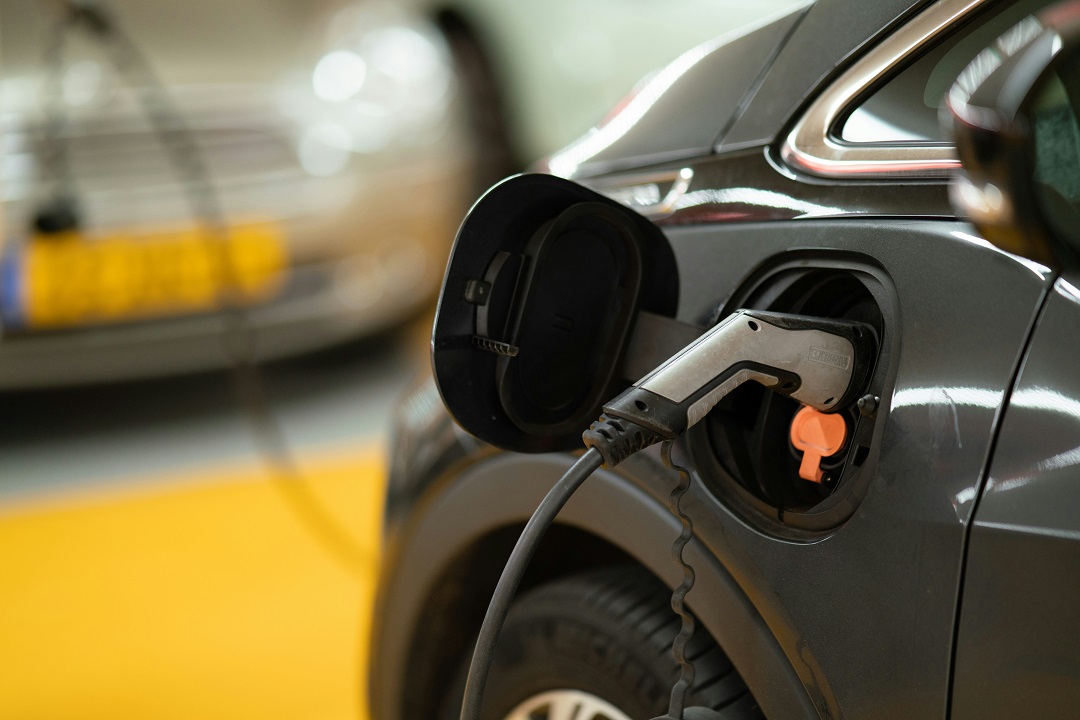
Higher fuel prices linked to the Middle East conflict could accelerate electric-vehicle adoption in markets outside the United States, potentially increasing copper and lithium demand.
A Reuters analysis published Sept. 21 cited a Wood Mackenzie scenario examining how an extended oil-price shock could affect EV sales and the metals required to support them.
The scenario does not predict that shortages are inevitable. It indicates that faster EV adoption would require mining companies to expand production more rapidly than current baseline assumptions anticipate.
EV Growth Varies Widely by Region
Benchmark Mineral Intelligence reported global EV sales of 1.83 million vehicles in August, up 2% from a year earlier. Year-to-date sales reached 13.4 million, an increase of 4%.
That modest global growth masks substantial regional differences.
European EV sales increased 36% year over year in August and 29% during the first eight months of 2026. Benchmark attributed the growth to government incentives, cheaper models and, in several markets, higher fuel prices.
North American sales fell 33% in August and 21% year to date. The comparison was affected by a buying surge before U.S. federal EV tax credits expired in September 2025.
China’s EV sales declined 11% year over year in August and 12% year to date. However, electric vehicles represented more than 60% of the country’s passenger-vehicle market for a fourth consecutive month. Chinese new-energy vehicle exports also rose more than 150% to approximately 518,000 units in August.
Accelerated Adoption Raises Mine Requirements
Wood Mackenzie’s modeled “electric shock” scenario assumes elevated oil prices encourage consumers and governments to reduce dependence on gasoline and diesel vehicles more quickly.
Under that scenario, lithium demand would be 14% higher than in the consultancy’s base case.
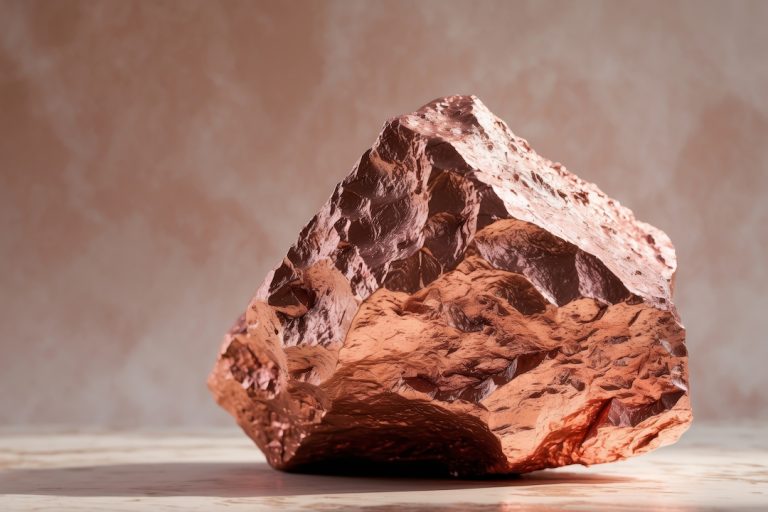
Copper demand would increase by an additional 2%. Although the percentage is smaller, meeting it would require annual additions of new copper-mine capacity to rise from a historical average of approximately 850,000 tonnes to 960,000 tonnes between 2025 and 2040.
Wood Mackenzie concluded that sufficient metal could be available under the accelerated scenario, but only if investment in new production expands alongside demand.
Existing Supply Outlook Remains Tight
The International Energy Agency’s Global Critical Minerals Outlook 2026 projects supply deficits for both copper and lithium through 2035 based on existing and announced projects.
The IEA estimates that expected copper supply could fall approximately 25% short of primary requirements in 2035. It also expects global lithium demand to more than triple by 2040, while copper demand increases by about seven million tonnes.
However, critical-mineral investment fell 9% during 2025. Capital spending by lithium-focused companies dropped approximately 40%, although investment by copper-focused companies increased 8%.
Developing a mine can require years of exploration, permitting, financing and construction. A faster-than-expected change in vehicle demand could therefore affect metal markets before producers can add substantial new supply.
Scenario Is Not a Forecast
The Wood Mackenzie figures represent a modeled scenario rather than a prediction. The outcome depends on the duration of higher oil prices, vehicle costs, government policies, charging infrastructure and consumer preferences.
Global EV growth also remains uneven, with gains in Europe and emerging markets offset by contraction in North America and China.
Higher fuel prices could strengthen the economic case for electric vehicles and increase demand for their raw materials. Whether that produces tighter metal markets will depend largely on how quickly new mines, processing facilities and recycling capacity can respond.
Sources
- Reuters — Oil Shock Raises Risk of Metals Shock as EV Sales Accelerate
- Benchmark Mineral Intelligence — Global EV Sales Reach 1.8 Million Units in August 2026
- International Energy Agency — Global Critical Minerals Outlook 2026
- International Energy Agency — Critical Minerals Outlook
Editorial Disclosure
This article was prepared from publicly available news reporting, industry data and scenario analysis. Mining Markets Report received no compensation from Reuters, Wood Mackenzie, Benchmark Mineral Intelligence, the International Energy Agency or any organization referenced in this article.
The demand estimates discussed are scenario-based and should not be interpreted as guaranteed outcomes. Actual electric-vehicle sales and mineral demand will depend on commodity prices, government policies, technology, consumer behavior, economic conditions and the development of new mining and processing capacity.
Third-party figures have not been independently verified by Mining Markets Report. This article is for informational purposes only and does not constitute investment advice or a recommendation to buy or sell securities or commodities. Readers should conduct their own due diligence and consult a qualified financial professional. Read the full Mining Markets Report disclaimer.