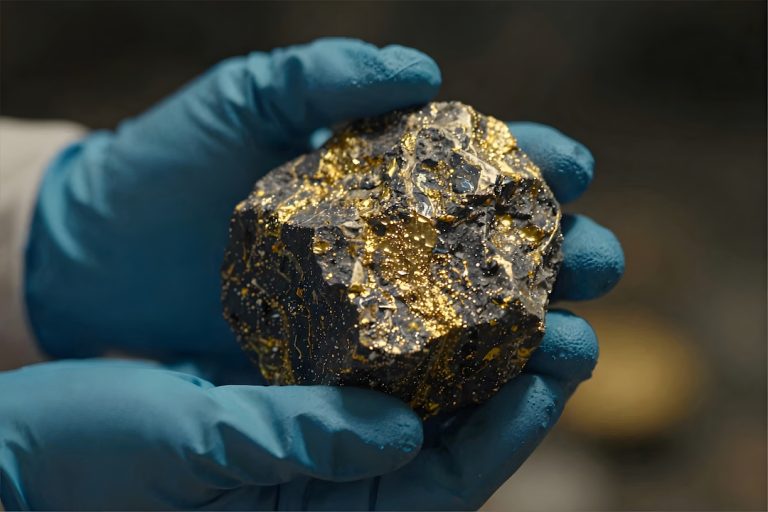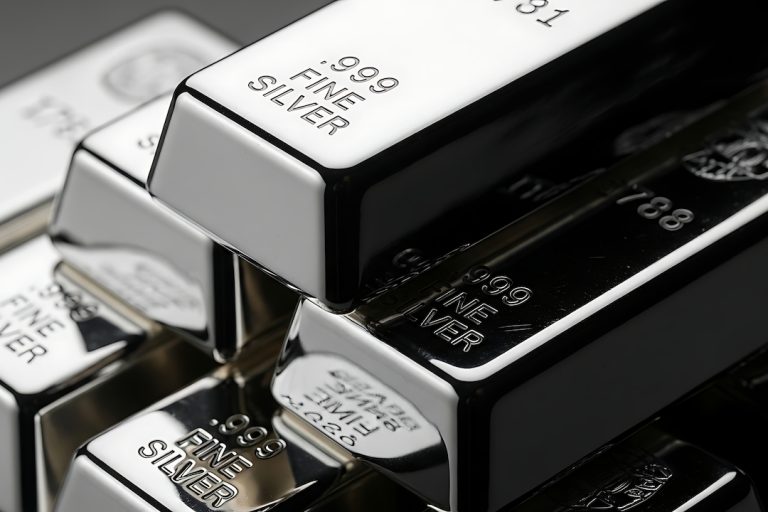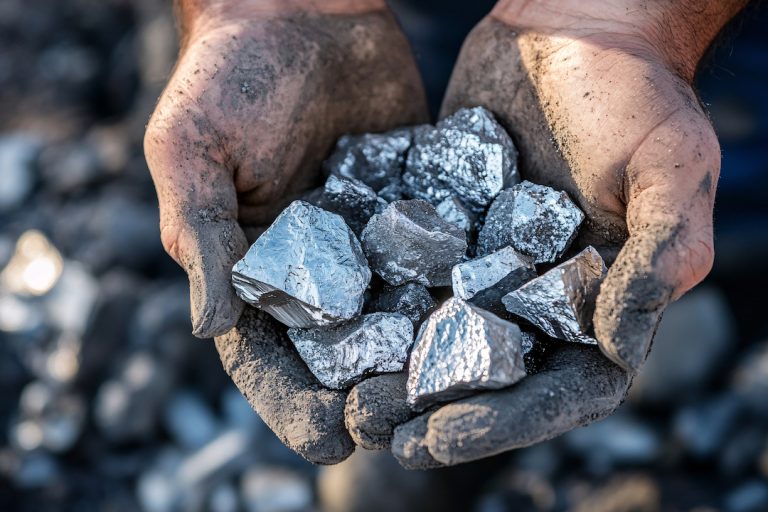
Antimony is one of those minerals most people have never heard of until suddenly they can’t stop hearing about it. A little-known metal used in everything from ammunition to flame retardants, antimony became a flashpoint in US-China trade tensions starting in August 2024, when Beijing announced export restrictions that exposed a genuine vulnerability in the US defense industrial base — the United States imports 100% of the antimony it consumes, with no domestic mine production at all.
The Short Answer
Antimony is a critical mineral used in ammunition, flame retardants, night vision systems, and batteries, with no practical substitute for many military applications. China controls roughly 48% of global mine production and 80-90% of global refining, and its escalating export restrictions since August 2024 have exposed the United States’s complete import dependence on the metal.
What Antimony Is Actually Used For
Antimony’s applications span both defense and civilian industry, with the metal appearing in more than 300 US weapons systems according to one industry estimate:
- Defense and military — antimony is a critical input for armor-piercing ammunition, primers for ammunition, night vision goggles, infrared sensors and missiles, precision optics, and — per older US International Trade Commission reporting — nuclear weapon production
- Flame retardants — antimony trioxide (ATO) is a key component of widely used flame retardant compounds found in plastics, textiles, and electronics, valued for its effectiveness and relatively low cost compared to alternatives
- Batteries — antimony is used in certain battery chemistries, including lead-acid batteries
- Electronics and semiconductors — antimony compounds appear in specific semiconductor and cable applications
- Photovoltaic equipment — antimony has applications in certain solar panel manufacturing processes
China’s Escalating Export Controls: A Timeline
China’s restrictions on antimony have unfolded in stages since 2024, part of a broader pattern of critical mineral export controls that also swept in gallium, germanium, graphite, and — as covered in our earlier tungsten explainer — tungsten:
- August 14, 2024 — China’s Commerce Ministry announced export restrictions on antimony, citing national security and non-proliferation obligations, with controls taking effect September 15, 2024, covering six antimony-related products including antimony ore, antimony metals, antimony oxide, and related smelting and separation technology
- Late 2024 — China specifically restricted antimony exports for US military end use, a targeted restriction that went beyond the broader licensing requirement
- November 2025 — following a meeting between President Trump and President Xi Jinping, China announced a partial suspension of its 2024 export ban on gallium, germanium, and antimony to the US, effective through November 27, 2026. However, the suspension did not revoke the underlying decision to keep these metals on China’s dual-use export control list, meaning exporters still require Chinese government licenses for any sales, and — critically — the prohibition on military end use reportedly remained in place even after the partial pause
The Price Impact
Antimony prices moved dramatically following the restrictions. According to Richard I. Gibson’s analysis, the price had already roughly doubled between July and August 2024, from about $5.40 per pound in 2023 and early 2024 to $10 per pound by late August 2024, then continued climbing to nearly $18 per pound by the end of November 2024 as the restrictions took full effect.
The Scale of US Import Dependence
The United States is 100% import reliant on antimony, with domestic mine production below 1,000 tonnes annually against total US demand of 30,000 to 40,000 tonnes per year, according to figures cited in a May 2026 press release covering NevGold Corp. China accounted for nearly half of global mined antimony in 2023, and controls 80-90% of global antimony refining capacity.
The Path to Reducing Dependence
The timeline from investment commitment to actual production impact for domestic antimony supply is estimated at roughly four years, meaning meaningful change in US supply chain resilience is unlikely to materialize before 2028, according to industry analysis. Companies positioning themselves as potential domestic solutions include NevGold Corp. (TSXV: NAU), which was named to the 2026 TSX Venture 50 following 330% share price appreciation and 515% market capitalization growth in 2025, with a maiden antimony-gold NI 43-101 resource estimate targeted for its Limousine Butte project in Q2 2026. Felix Gold is another junior company frequently mentioned in the context of antimony supply diversification efforts.
Why This Matters Beyond the Numbers
Antimony’s situation illustrates a recurring pattern across several critical minerals covered in our earlier explainers — tungsten, graphite, and rare earths among them — where China’s dominance is concentrated less in raw mining share and more in downstream refining capacity, and where the practical difficulty of finding substitute materials for specific defense applications creates a genuinely difficult, multi-year vulnerability that cannot be resolved through short-term trade negotiations alone.
Key Takeaways for Investors
- Antimony is essential to ammunition, flame retardants, night vision systems, and certain batteries, with limited practical substitutes for many defense applications
- China controls roughly 48% of global mine production and 80-90% of global refining capacity
- Export restrictions began in August 2024, escalated to specifically target US military end use in late 2024, and were partially suspended (but not fully reversed) in November 2025
- The US is 100% import reliant on antimony, with domestic production under 1,000 tonnes against demand of 30,000-40,000 tonnes annually
- Antimony prices roughly tripled within months of the initial 2024 restrictions
- Building meaningful domestic US supply is estimated to take roughly four years from investment to production impact — unlikely before 2028
SOURCES
1. Mining.com — China Lifts Export Ban on Gallium, Germanium and Antimony to US: https://www.mining.com/china-lifts-export-ban-on-gallium-germanium-and-antimony-to-us/
2. CSIS — China’s Antimony Export Restrictions: The Impact on US National Security: https://www.csis.org/analysis/chinas-antimony-export-restrictions-impact-us-national-security
3. GlobeNewswire — China’s Antimony Restrictions Exposed a US Defense Weakness: https://www.globenewswire.com/news-release/2026/05/13/3294182/0/en/china-s-antimony-restrictions-exposed-a-u-s-defense-weakness-nevgold-may-be-one-of-the-only-near-term-domestic-solutions.html
4. Mining Engineering Online (SME) — China Halts Ban on Gallium, Germanium, Antimony Exports to US, But Controls Remain: https://me.smenet.org/china-halts-ban-on-gallium-germanium-antimony-exports-to-us-but-controls-remain/
DISCLAIMER
This article is an educational explainer based on publicly available industry data, market research, and published analyst commentary. Information was current as of the publication date noted below. Commodity price data and forecasts are sourced as cited and reflect market conditions at the time of writing.
Mining Markets Report has not received compensation from any company, institution, or organization in connection with this article.
Institutional price forecasts and analyst commentary referenced in this article represent third-party opinions at the time of publication and are not guarantees of future commodity performance.
The information provided is for informational and educational purposes only and does not constitute financial, investment, or professional advice. Readers are encouraged to conduct their own due diligence and consult a qualified financial advisor before making any investment decision.
For full terms, see our Disclaimer.