Every time a gold mining company refers to its product being sold to “LBMA-accredited” refiners, or every time you see the “LBMA Gold Price” cited as the global benchmark, you are looking at the influence of a single London-based trade body that has quietly underpinned the entire global gold market for nearly four decades. Understanding what the LBMA actually does — and what its Good Delivery standard means in practice — fills in an important piece of how gold physically moves from mine to market.
The Short Answer
The London Bullion Market Association (LBMA) is the trade association that sets the global quality standards for wholesale gold and silver bars, maintains the accredited list of refiners permitted to supply the London market, and administers the twice-daily LBMA Gold Price benchmark used throughout the industry.
How the LBMA Came to Exist
The LBMA was officially founded on December 14, 1987, at the explicit request of the Bank of England, which sought to bring structure and a single, trusted, independent regulator to the rapidly growing over-the-counter (OTC) precious metals market. London’s role as a global bullion trading hub, however, dates back much further — the city’s bullion market traces its roots to the late 1600s, and the London Gold Fixing, first introduced in 1919 as a twice-daily meeting of five bullion banks to establish a benchmark price, was the direct predecessor to the modern LBMA Gold Price.
What Good Delivery Actually Means
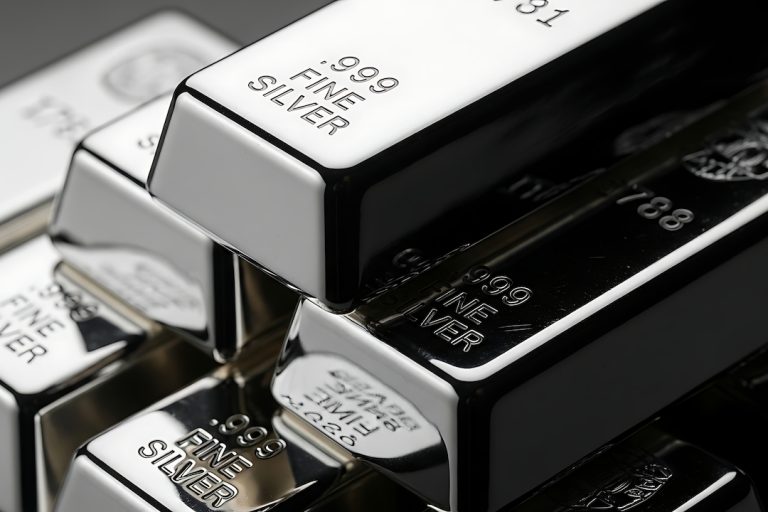
The single most practically important thing the LBMA does is maintain the Good Delivery List — the set of rules governing the physical characteristics required for gold and silver bars to be accepted for settlement in the London wholesale bullion market. A standard LBMA Good Delivery gold bar weighs approximately 400 troy ounces (about 12.4 kilograms) and must have a minimum purity of 99.5% (995.0 parts per thousand fine gold). Each bar must be stamped with a unique serial number, the refiner’s hallmark, its assayed fineness, and the year of production. The bars are also notable for their distinctive trapezoidal shape — a product of the casting mould that ensures uniform production.
Only Accredited Refiners Can Supply the List
Not just any refinery can produce Good Delivery bars. Refiners must meet stringent LBMA accreditation criteria: they must produce at least 10 tonnes of refined gold or 50 tonnes of refined silver annually, and maintain a tangible net worth of at least £15 million. Refiners are periodically re-audited to confirm they continue to meet these standards, and — critically — must source their bullion in compliance with the LBMA’s Responsible Gold Guidance, which is specifically designed to combat systemic human rights abuses, avoid contributing to armed conflict, and comply with high standards of anti-money laundering and counter-terrorist financing practices.
A dedicated Vault Managers Working Group, formed jointly by the Bank of England and representatives from the vaults used by LBMA members, meets periodically to discuss bar quality and vaulting protocols, ensuring uniformity across all London-based vaults. Every instance of a bar being rejected for failing to meet standards must be formally recorded and reported to LBMA executives — a level of scrutiny that underpins the market’s trust in bars carrying LBMA accreditation.
The LBMA Gold Price: The Global Benchmark
Beyond setting physical standards, the LBMA holds the intellectual property rights to the LBMA Gold Price and LBMA Silver Price — the benchmark reference prices set twice daily (at 10:30 GMT and 15:00 GMT for gold) that serve as the global reference point for gold and silver transactions worldwide. These benchmarks, administered by the ICE Benchmark Administration on the LBMA’s behalf, are used by jewelers, refiners, mining companies, investors, and manufacturers across the industry to price contracts, value inventory, and settle transactions — meaning the LBMA’s influence extends into virtually every corner of the physical and financial gold market, not just the London wholesale trade itself.
Why This Matters for Mining Investors
For gold mining companies, having their production ultimately refined through an LBMA-accredited refiner — and their output implicitly meeting or feeding into Good Delivery standards — is a meaningful signal of legitimacy and market access. Gold that cannot trace its way to an accredited refiner faces real practical limitations in reaching the deepest, most liquid pools of global gold demand.
The LBMA’s Responsible Gold Guidance also intersects directly with broader ESG and supply chain due diligence themes increasingly important to institutional investors — gold that cannot demonstrate compliance with these sourcing standards faces growing difficulty accessing mainstream refining and trading channels, regardless of the metal’s actual quality.
Key Takeaways for Investors
- The LBMA was founded in 1987 at the request of the Bank of England to bring structure and trust to the global OTC gold and silver market
- Good Delivery bars weigh approximately 400 troy ounces with a minimum 99.5% purity, produced only by LBMA-accredited refiners
- Accredited refiners must meet minimum production volume and net worth thresholds and are periodically re-audited
- The LBMA’s Responsible Gold Guidance requires refiners to combat human rights abuses, conflict financing, and money laundering in their sourcing
- The LBMA Gold Price, set twice daily, is the global benchmark reference price used throughout the gold industry
- Access to LBMA-accredited refining is a meaningful practical consideration for gold producers seeking full market access and institutional credibility
SOURCES
1. LBMA — About Good Delivery: https://www.lbma.org.uk/good-delivery/about-good-delivery
2. APMEX — What is the LBMA Good Delivery List?: https://learn.apmex.com/investing-guide/what-is-the-lbma-good-delivery-list/
3. Wikipedia — London Bullion Market Association: https://en.wikipedia.org/wiki/London_Bullion_Market_Association
4. MGS Refining — Understanding LBMA: London Bullion Market & London Fixing: https://www.mgsrefining.com/blog/london-bullion-market/
DISCLAIMER
This article is an educational explainer based on publicly available industry data, market research, and published analyst commentary. Information was current as of the publication date noted below. Commodity price data and forecasts are sourced as cited and reflect market conditions at the time of writing.
Mining Markets Report has not received compensation from any company, institution, or organization in connection with this article.
Institutional price forecasts and analyst commentary referenced in this article represent third-party opinions at the time of publication and are not guarantees of future commodity performance.
The information provided is for informational and educational purposes only and does not constitute financial, investment, or professional advice. Readers are encouraged to conduct their own due diligence and consult a qualified financial advisor before making any investment decision.
For full terms, see our Disclaimer.