Zinc rarely generates the same headlines as gold, copper, or lithium, but it is the world’s fourth most widely consumed base metal, quietly underpinning global construction and infrastructure through a single dominant application: protecting steel from rust. Understanding zinc’s supply and demand picture rounds out a complete view of the base metals landscape covered elsewhere in our Copper, Uranium & Energy Metals coverage.
The Short Answer
Zinc’s primary use, by a wide margin, is galvanizing — coating steel and iron with a protective zinc layer to prevent corrosion. China, Peru, and Australia are the world’s largest producers. The zinc market has faced persistent oversupply through 2025 and 2026, keeping prices under pressure despite steady long-term demand growth.
Galvanizing: Zinc’s Dominant Use
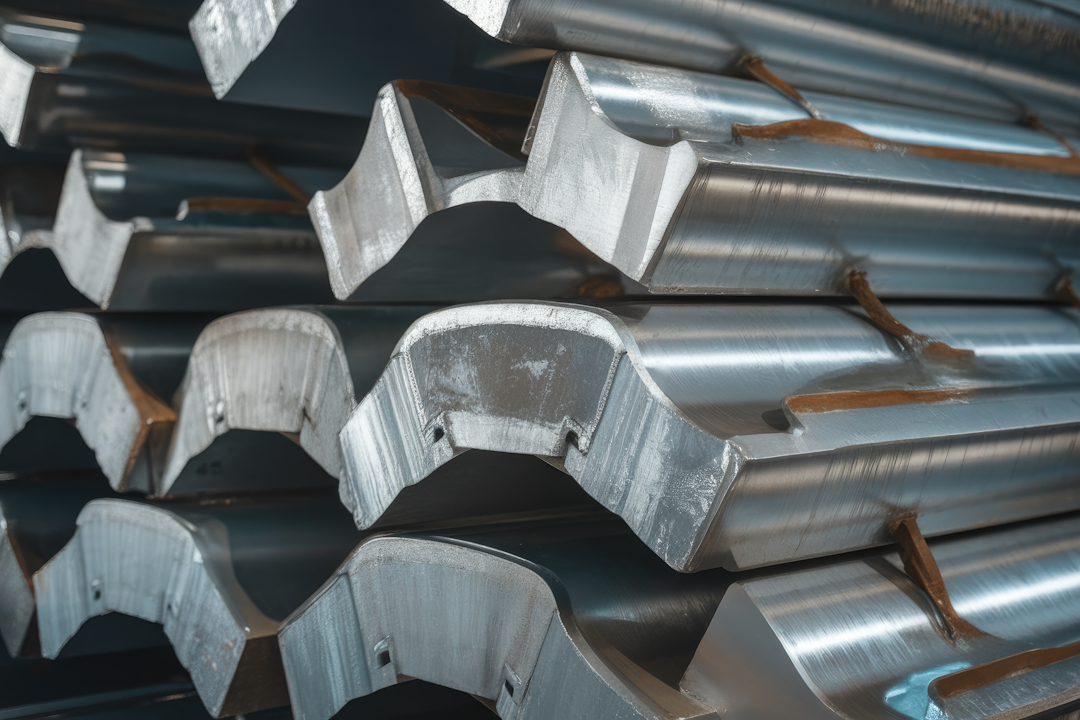
Galvanization — applying a protective zinc coating to steel or iron — is by far the most significant application for zinc, according to Farmonaut. Zinc’s natural corrosion resistance means it sacrifices itself preferentially to protect the underlying steel from rust, dramatically extending the working life of structures, vehicles, and infrastructure exposed to moisture and weather. This is why zinc demand tracks closely with construction and automotive manufacturing activity globally — when housing starts and vehicle production rise, zinc consumption typically rises with them.
Other Major Uses
Beyond galvanizing, zinc has several other significant applications:
- Alloys — zinc is a key ingredient in brass (copper-zinc alloy) and bronze, widely used across plumbing, hardware, and decorative applications
- Die casting — zinc alloys are used extensively in die-cast components for automotive parts, hardware, and consumer products, prized for their ability to be cast into precise, complex shapes
- Agriculture — zinc is an essential micronutrient for plant growth, and zinc-based fertilizers have been shown to meaningfully improve crop yields in zinc-deficient soils — some estimates suggest improvements of up to 40% in the most deficient regions
- Batteries — zinc is used in certain battery chemistries, including zinc-carbon and zinc-air batteries, and is increasingly researched for grid-scale energy storage applications given its abundance and lower cost relative to lithium
- Renewable energy infrastructure — zinc provides corrosion protection for structural components in solar panel mounting systems and wind turbine towers, an emerging demand category tied to the broader energy transition
Where Zinc Is Mined
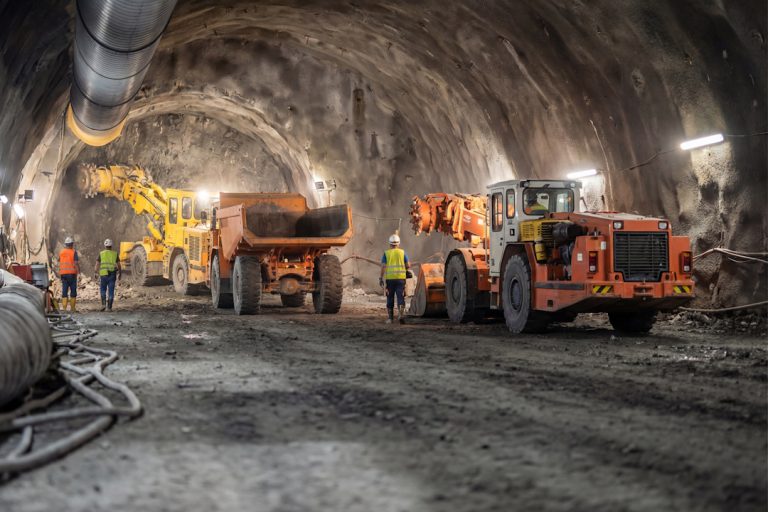
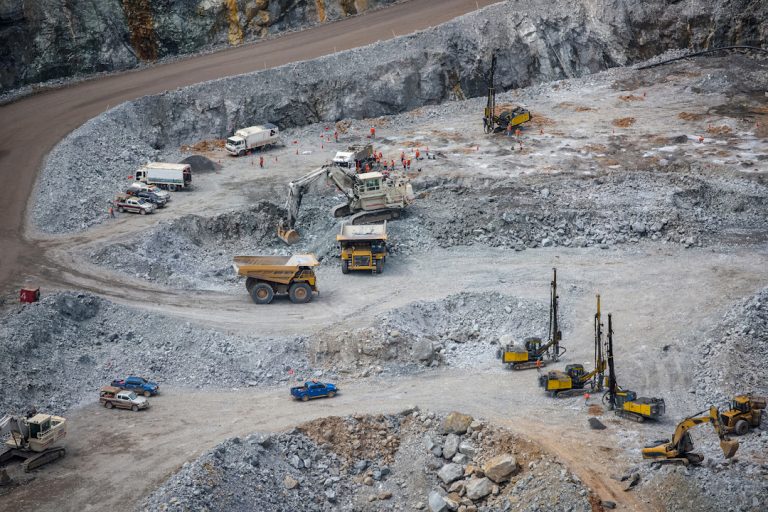
Global zinc production is led by China, followed by Peru and Australia as the second- and third-largest producing countries, according to Statista data. Some of the world’s largest individual zinc mines include the Rampura Agucha mine in India, the Red Dog mine in Alaska (one of the largest zinc mines in the United States), and the Antamina mine in Peru, a major polymetallic operation.
In the United States specifically, zinc was mined at six operations across five states in 2025, with a total estimated mined value of $2.2 billion, according to USGS data. US mine production of zinc in concentrate was approximately 670,000 metric tons in 2025, a modest decline from the prior three years.
How Zinc Is Processed
Zinc is typically extracted from its ore — predominantly sphalerite, though also smithsonite, hemimorphite, and zincite — through froth flotation, the same fundamental separation technique used for copper (covered in our flotation explainer), followed by roasting and final extraction using either pyrometallurgical (smelting) or hydrometallurgical (chemical/electrolytic) techniques.
The Current Market: Persistent Oversupply
Unlike copper, which faces a projected supply deficit, the zinc market has been characterized by persistent oversupply through 2025 and into 2026. According to Investing News Network, the zinc price began 2025 at approximately $2,927 per metric ton before falling to a yearly low of $2,562 by April 2025, pressured by a broader base metals rout, high inflation and interest rates weighing on the housing and construction sectors central to zinc demand, and evolving US trade policy creating uncertainty for real estate investors and consumers alike.
The oversupply dynamic is expected to persist. The global zinc ore market itself is still projected to grow from approximately $27.85 billion in 2025 to $41.96 billion by 2035, according to Spherical Insights, reflecting steady long-term demand growth from urbanization and infrastructure development — but near-term price action has remained subdued as new mined and refined supply, particularly from expanding Chinese refining capacity, continues to enter the market faster than demand is absorbing it.
Key Takeaways for Investors
- Galvanizing (protective zinc coating on steel) is zinc’s dominant use by a wide margin, tying zinc demand closely to construction and automotive activity
- Other significant uses include brass and bronze alloys, die casting, agricultural fertilizers, batteries, and renewable energy infrastructure protection
- China, Peru, and Australia are the world’s top three zinc-producing countries
- Zinc is processed using froth flotation followed by either smelting or electrolytic extraction
- The zinc market has faced persistent oversupply through 2025-2026, unlike the projected copper deficit — keeping prices under pressure despite steady long-term demand growth
- Long-term zinc market growth is still projected, driven by urbanization and infrastructure development globally
SOURCES
1. Farmonaut — Zinc: Transforming Industry in 2026: https://farmonaut.com/mining/zinc-zn-zinc-z-zinc-mine-transforming-industry-in-2026
2. Investing News Network — Zinc Price Forecast: Top Trends for 2026: https://investingnews.com/daily/resource-investing/base-metals-investing/zinc-investing/zinc-forecast/
3. USGS — Mineral Commodity Summaries 2026: Zinc: https://pubs.usgs.gov/periodicals/mcs2026/mcs2026-zinc.pdf
4. World Unfolds — Top 10 Largest Zinc Producers in the World 2026: https://worldunfolds.com/largest-zinc-producer-in-the-world/
5. Spherical Insights — Top 20 Companies in Global Zinc Ore Market 2026-2035: https://www.sphericalinsights.com/blogs/top-20-companies-in-global-zinc-ore-market-2026-2035-expert-view-by-spherical-insights
DISCLAIMER
This article is an educational explainer based on publicly available industry data, market research, and published analyst commentary. Information was current as of the publication date noted below. Commodity price data and forecasts are sourced as cited and reflect market conditions at the time of writing.
Mining Markets Report has not received compensation from any company, institution, or organization in connection with this article.
Institutional price forecasts and analyst commentary referenced in this article represent third-party opinions at the time of publication and are not guarantees of future commodity performance.
The information provided is for informational and educational purposes only and does not constitute financial, investment, or professional advice. Readers are encouraged to conduct their own due diligence and consult a qualified financial advisor before making any investment decision.
For full terms, see our Disclaimer.