Canada Nickel Company (TSXV: CNC; OTCQX: CNIKF) has cleared one of the largest regulatory hurdles standing between its Crawford Nickel Project and construction. On July 31, 2026, the company reported that Canada’s Minister of Environment, Climate Change and Nature issued a positive Decision Statement for Crawford, federal sign-off confirming the project can proceed under environmental law. Crawford is the first mining project to receive a Decision Statement under Canada’s amended Impact Assessment Act since it was updated in 2019, making this a test case for how quickly major resource projects can move through the current federal review process. CEO Mark Selby noted the project moved from an early exploration drill hole through a full feasibility study to this approval in under seven years, which he called substantially faster than typical for a project of this size.
What’s Being Built
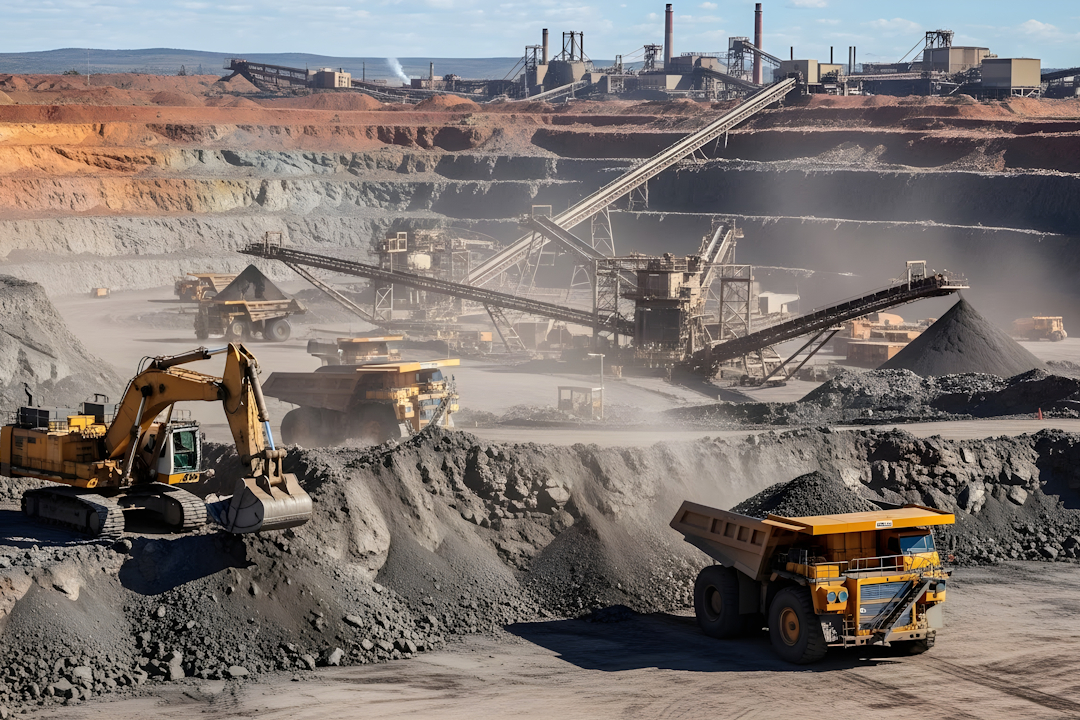
Crawford sits in the Timmins Nickel District in northeastern Ontario. The company expects it to become the largest nickel sulphide mine in the Western world and North America’s only primary source of chromium, two metals used in stainless steel, EV batteries, aerospace components, and defense manufacturing. Sulphide ore refers to nickel bound with sulfur in the rock, generally less energy-intensive to process than the laterite ore common in Indonesia, a useful point of comparison for readers new to the space.
The Economic Case
An independent study commissioned from Mansfield Consulting estimates Crawford could contribute roughly $70 billion to Canada’s GDP over the mine’s life and support about 185,000 person-years of employment. This figure is drawn from the company’s November 2023 feasibility study; it is a projection tied to that study’s assumptions, not a guarantee, and has not been updated for construction-stage costs.
Indigenous Partnership
The release also cites a $20 million equity investment in the project by the Taykwa Tagamou Nation, described by the company as the largest First Nation investment in a Canadian critical minerals project to date, along with an infrastructure agreement with Wabun Tribal Council member communities.
What’s Left
Federal environmental approval isn’t the finish line. Canada Nickel still needs detailed engineering, project financing, and remaining provincial and federal permits before construction. The company is targeting a construction decision in 2027.
Sources
Editorial Disclosure
This article is based on a press release issued by Canada Nickel Company Inc. on July 31, 2026, distributed via PRNewswire. Securities discussed: Canada Nickel Company Inc. (TSXV: CNC; OTCQX: CNIKF). Mining Markets Report has not received compensation from Canada Nickel Company, its management, investor relations representatives, or any third party for this coverage. No staff member or principal of Mining Markets Report holds a position in this security at the time of publication. The $70 billion GDP contribution and 185,000 person-years of employment figures originate from a third-party Economic Impact Study by Mansfield Consulting, based on Canada Nickel’s November 2023 feasibility study, and are estimates, not guaranteed outcomes. Statements regarding project financing, permitting timelines, construction decisions, and future production are forward-looking and involve known and unknown risks; there is no assurance Crawford will be placed into production. References to this company are for market context and analytical purposes only and do not constitute an investment recommendation. All securities carry investment risk including possible loss of capital. Coverage on Mining Markets Report is for informational and educational purposes only; Mining Markets Report is not a registered investment advisor. Readers should conduct their own due diligence and consult a qualified financial advisor before making investment decisions. See our full Disclaimer.